Serratus Anterior Massage For Rib Side Tightness What To Expect
Feel that nagging pull along your rib cage? It stops you mid-breath or twists your swing. Rib side tightness often stems from the serratus anterior muscle, a key player in shoulder and breathing moves.
You might notice it after workouts, poor posture, or daily desk slumps. This muscle wraps under your ribs like a fan, stabilizing your shoulder blade. When it tightens, pain radiates sideways. Serratus anterior massage targets this spot for real relief.
Keep reading to learn how it works, what happens in a session, and tips to ease your symptoms fast.
Understanding the Serratus Anterior Muscle
The serratus anterior sits along your rib sides. It fans out from ribs one through eight or nine. This muscle pulls your shoulder blade forward and up. Think of it as the anchor for punching or reaching overhead.
Tension builds here from slouching over phones. Heavy lifting strains it too. Runners feel it during deep breaths. In short, everyday habits overload this area.
Picture a tight rubber band under your armpit. That's your serratus anterior when knotted. It limits arm lifts and deep inhales. You compensate with neck or back muscles, creating a pain cycle.
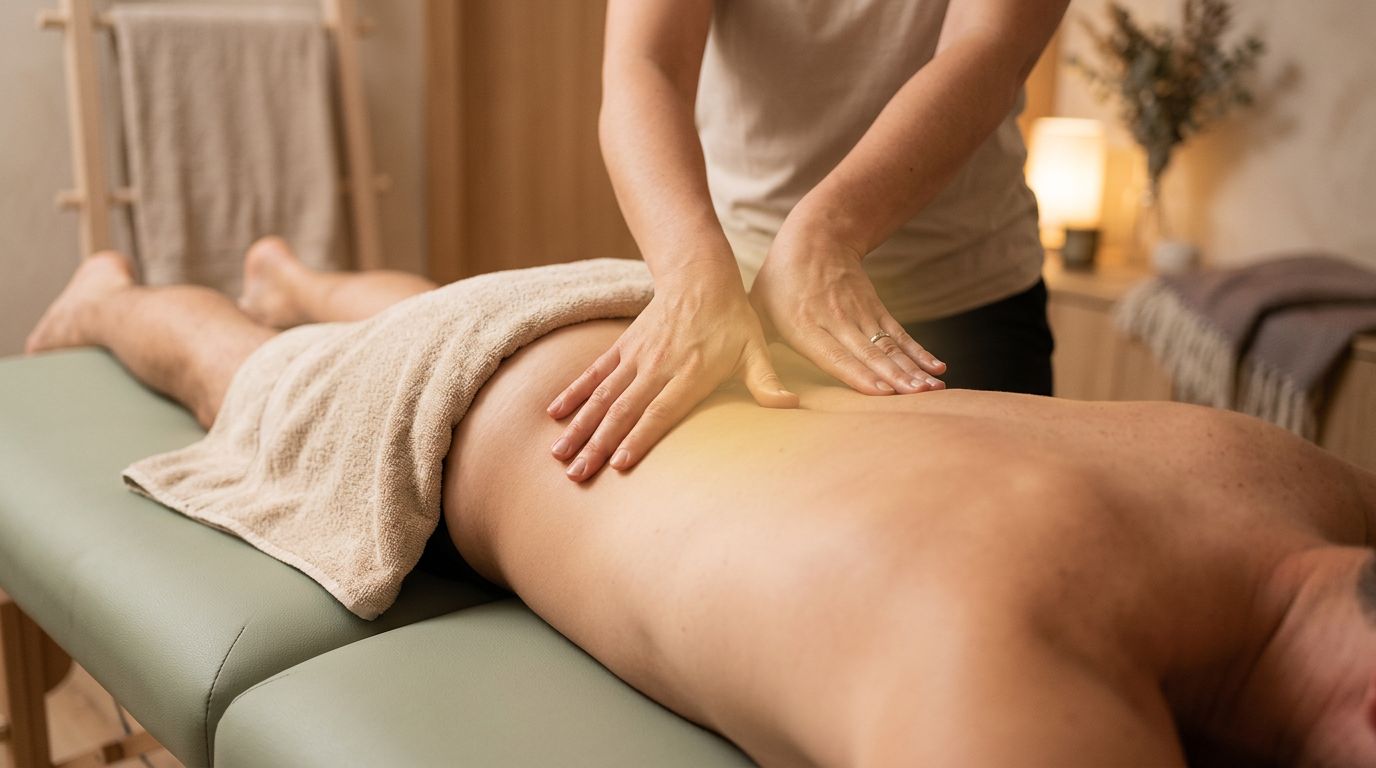
Massage breaks that cycle. Therapists access it through the side body. They use firm pressure to loosen fibers. As a result, breathing eases right away.
Common Causes of Rib Side Tightness
Posture plays a big role. Hours at a desk hunch your shoulders forward. This shortens the serratus anterior over time.
Sports add stress. Swimmers, boxers, or climbers overuse it. Sudden tweaks happen in tennis serves or golf swings. Even coughing fits tighten it up.
Injuries contribute too. Shoulder strains refer pain to the ribs. Scar tissue forms after falls or pulls. Daily carry-ons like heavy bags worsen the pull.
Stress sneaks in as well. Shallow breathing from anxiety keeps muscles clenched. You end up with side stitches that linger.
Spot these signs early: sharp pain on rib presses, winged shoulder blades, or trouble raising arms. Addressing causes prevents repeat issues.
Key Benefits of Serratus Anterior Massage
Relief hits fast with targeted work. Pressure melts knots, improving blood flow. Your ribs feel freer within minutes.
Shoulder stability returns. The muscle supports scapula motion better. This cuts down on compensatory pains in neck or back.
Breathing deepens too. Tight serratus limits rib expansion. Massage restores full lung capacity, great for athletes or singers.
Posture improves as a bonus. Looser sides let shoulders drop naturally. You stand taller without effort.
Long-term, it prevents flare-ups. Regular sessions keep fibers supple. Combine with stretches for lasting gains.
Studies back this up. Manual therapy eases myofascial pain effectively. Patients report less tightness after just one go.
Preparing for Your Serratus Anterior Massage Session
Hydrate well beforehand. Water flushes toxins released during work. Eat light to avoid nausea from pressure.
Wear loose clothes. Therapists access sides easily this way. Lie on your back or side for best reach.
Communicate your pain spots. Point to the rib tightness. Mention triggers like workouts or stress.
Breathe steady. Deep exhales help muscles yield to touch. Tense up and progress slows.
Sessions last 30 to 60 minutes usually. Add it to a full custom massage therapy sessions for whole-body calm. Our Englewood spot tailors each one.
Expect mild soreness later, like after a good hike. It's normal and fades quick.
What Happens Step by Step in the Massage
Therapists start with assessment. They palpate your rib sides gently. This finds the tightest knots.
Warm-up strokes follow. Light gliding over ribs boosts circulation. Skin flushes as blood rushes in.
Deep layers come next. Kneading targets serratus fibers. Thumb pressure digs into trigger points. It feels intense but good, like scratching an itch.
Side-lying position helps. Arm draped over exposes the area fully. Therapist uses elbow for broader sweeps.
Stretching integrates in. They guide arm raises while pressing ribs. This lengthens the muscle on the spot.
Cool-down finishes it. Feather-light strokes soothe the area. You leave relaxed and taller.
Self-Massage Techniques to Try at Home
Pinch the side gently first. Use fingers along lower ribs. Roll skin slowly upward.
Foam roll next. Lie sideways on a ball. Breathe through the pressure points.
Wall slides work well. Face wall, slide arms up while pressing ribs back. Hold five breaths.
Doorway stretch opens it. Arm at 90 degrees, lean forward gently. Feel the side pull release.
Do these daily, five minutes max. They bridge sessions. However, pros handle deep work safer.
Stop if pain sharpens. Pros avoid overdoing it.
Aftercare Tips for Lasting Relief
Ice if sore. Ten minutes calms inflammation. Heat follows next day for flow.
Stretch often. Arm circles keep gains. Avoid heavy lifts for 24 hours.
Posture check matters. Set phone reminders to sit tall. Use lumbar support.
Hydrate extra. It speeds recovery. Add electrolytes if active.
Track progress. Note pain levels weekly. Adjust habits based on wins.
Book follow-ups. Weekly at first builds results. Our team in Englewood customizes plans.
When to Seek Professional Help
DIY helps mildly. But stubborn tightness needs experts. Chronic pain signals deeper issues.
Post-injury? Get checked. Massage aids healing but pairs with PT.
If breathing hurts, see a doc first. Rule out ribs cracks or lungs probs.
Therapists spot imbalances. They link side tightness to core or neck woes.
At Still Massage + Skin, we focus on results. Tailored therapeutic massage options hit serratus precisely.
Don't wait. Book now for that side-free swing back.
Serratus anterior massage eases rib side tightness effectively. You gain freer breath, better posture, and less pain.
Targeted pressure releases knots fast. Pair it with home care for best outcomes. Your body thanks you.
Ready to try? Schedule a session today. Feel the difference in one visit. What's holding your ribs tight?
Recent Posts