Shin Splints Massage for Front Shin Tightness: What to Expect
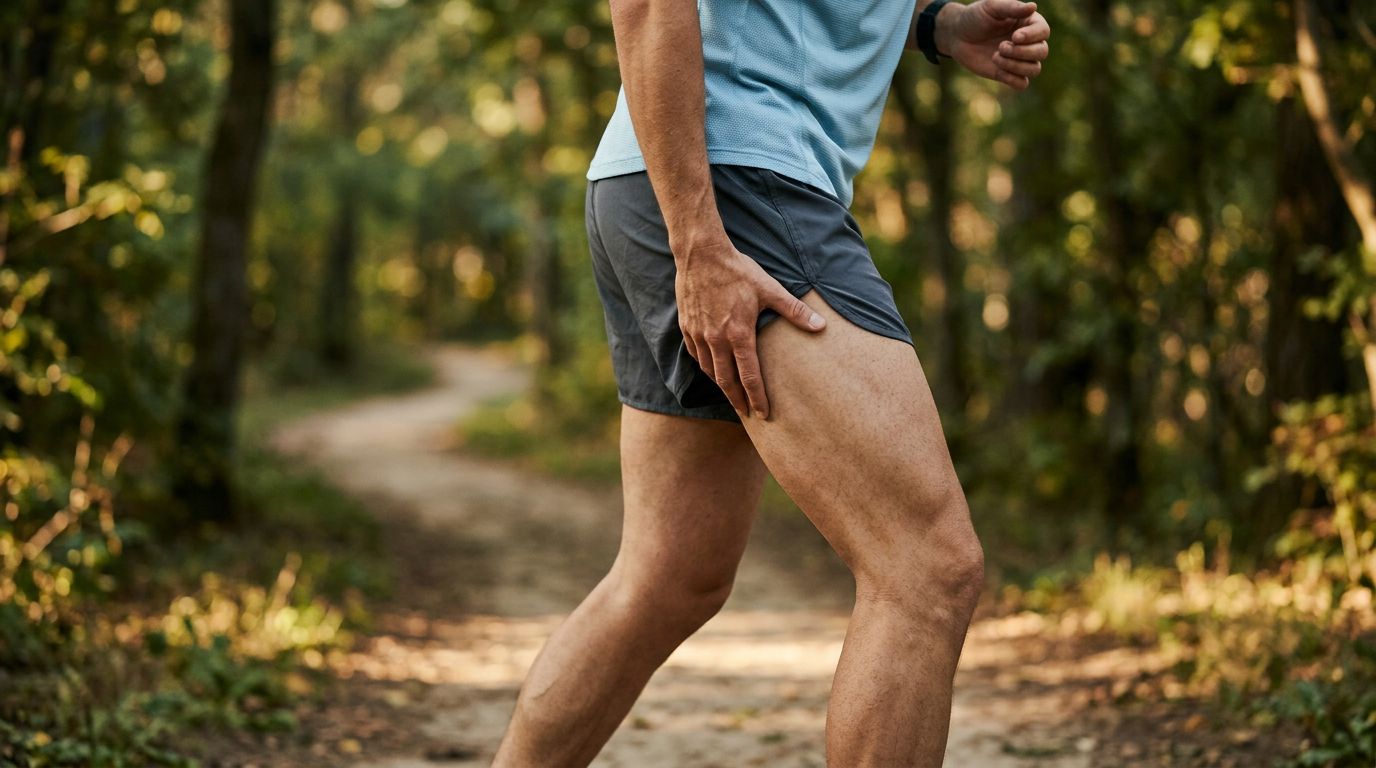
That tight, burning feeling along the front of your shin can make every step feel louder. If you've been walking more, running hills, or standing for long shifts, the lower leg may be asking for a reset.
A shin splints massage can help when front shin tightness comes from overworked muscles and irritated soft tissue. Still, it shouldn't feel like punishment. The goal is to reduce tension, improve movement, and calm the area so recovery feels possible again.
Why front shin tightness happens, and when massage helps
Front shin tightness often involves the tibialis anterior, the muscle that lifts your foot as you walk or run. When that muscle works overtime, it can get ropey, sore, and tender. As a result, the front of the shin may feel hard, achy, or tight during activity and after it.
This can show up after a jump in mileage, faster workouts, new shoes, lots of stairs, or long days on hard floors. In other words, it's not only a runner problem. Anyone can irritate the front shin if the lower leg is doing more work than it's ready for.
Massage helps most when the issue is muscle tightness and overuse , not a more serious injury. A good therapist won't just press on the sore spot. They often work the calf, ankle, foot, and even the outer lower leg, because those areas affect how the shin muscles load and move.
If you're dealing with ongoing lower-leg tightness, targeted massage therapy for shin splint recovery can be a useful part of the plan, especially when the session is tailored to your activity level and pain pattern.
What massage won't do is fix a stress fracture or replace rest when your body needs it. Pain that feels sharp, pinpointed on the bone, or much worse with hopping deserves a medical check. Massage works best when the tissue is irritated, not injured beyond that point.
A shin splints massage should calm an angry area, not turn into a pain contest.
What to expect during a shin splints massage session
Your session should start with a few simple questions. When did the pain begin? Is it dull or sharp? Does it warm up, then fade, or get worse as you go? Those details help the therapist decide how direct they can be.
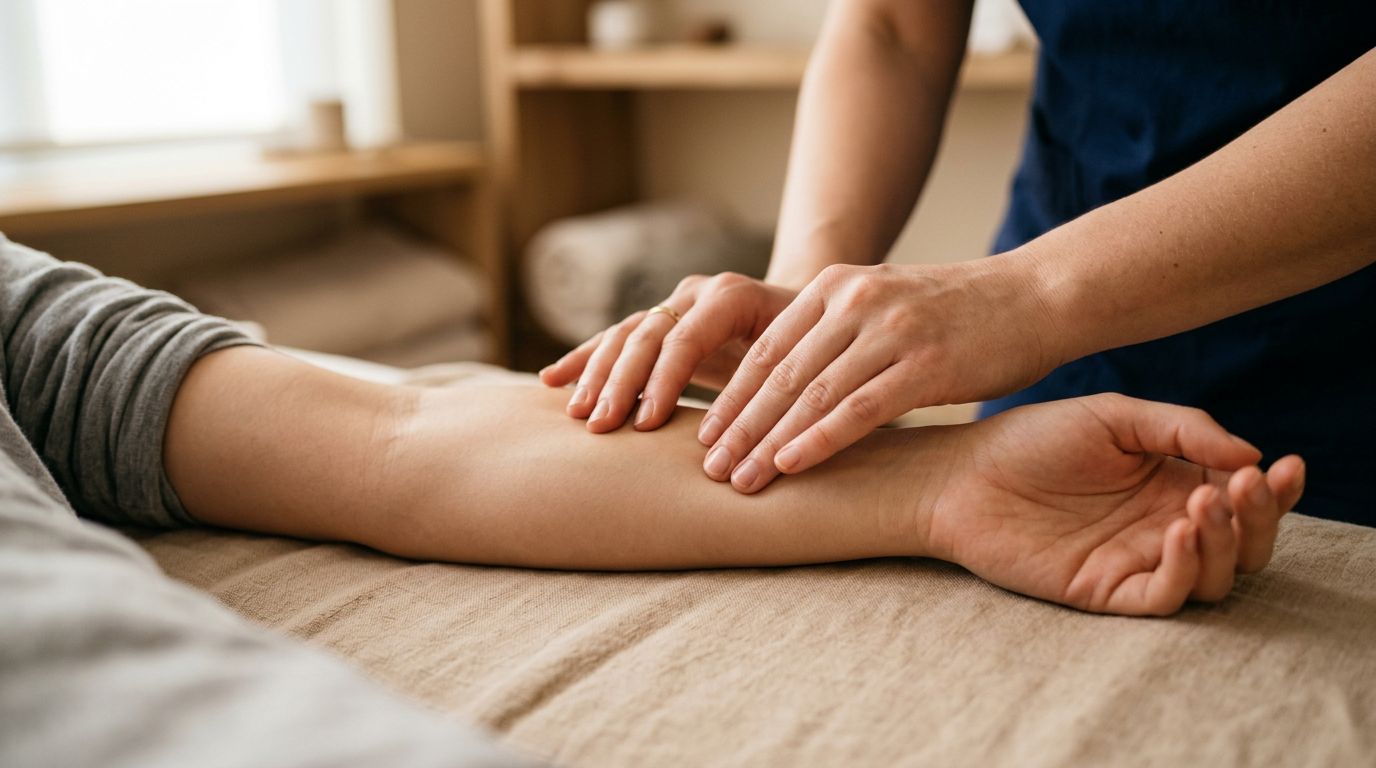
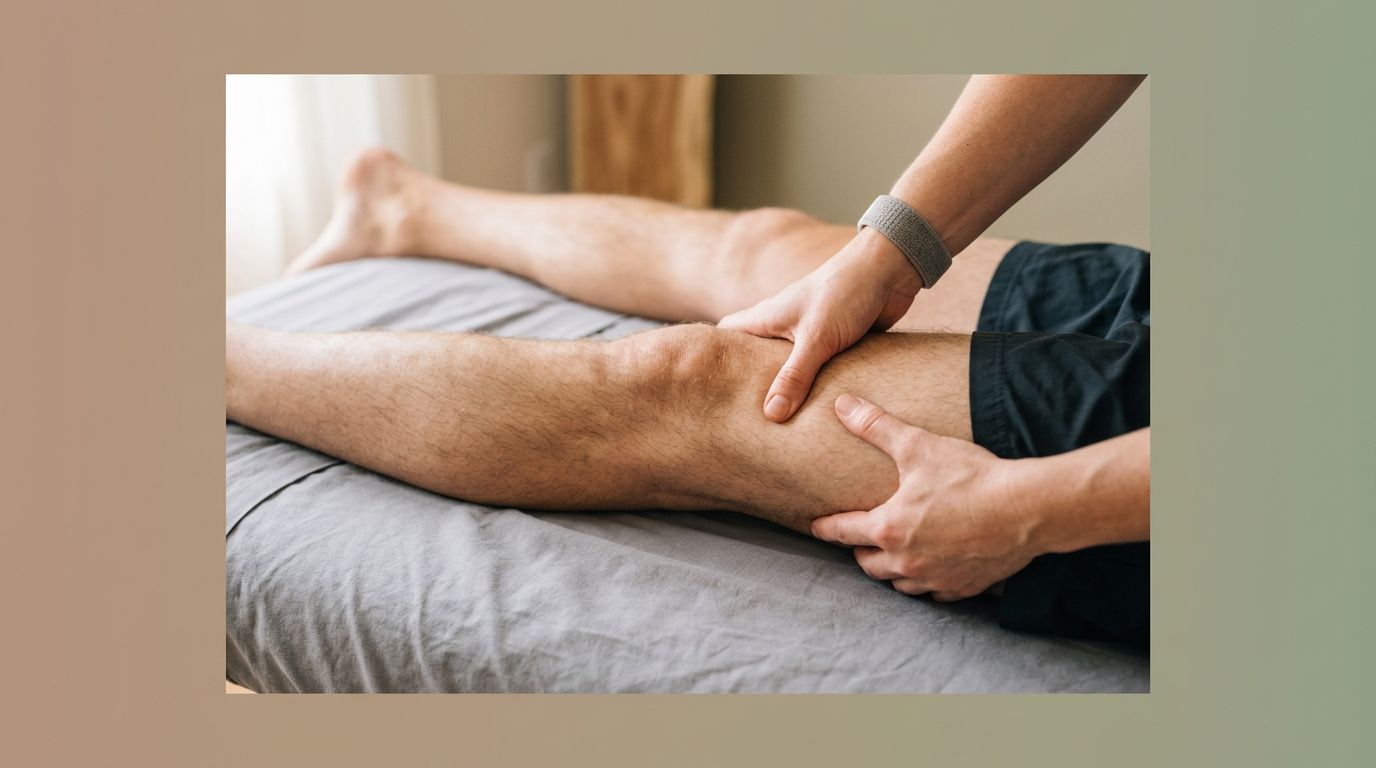
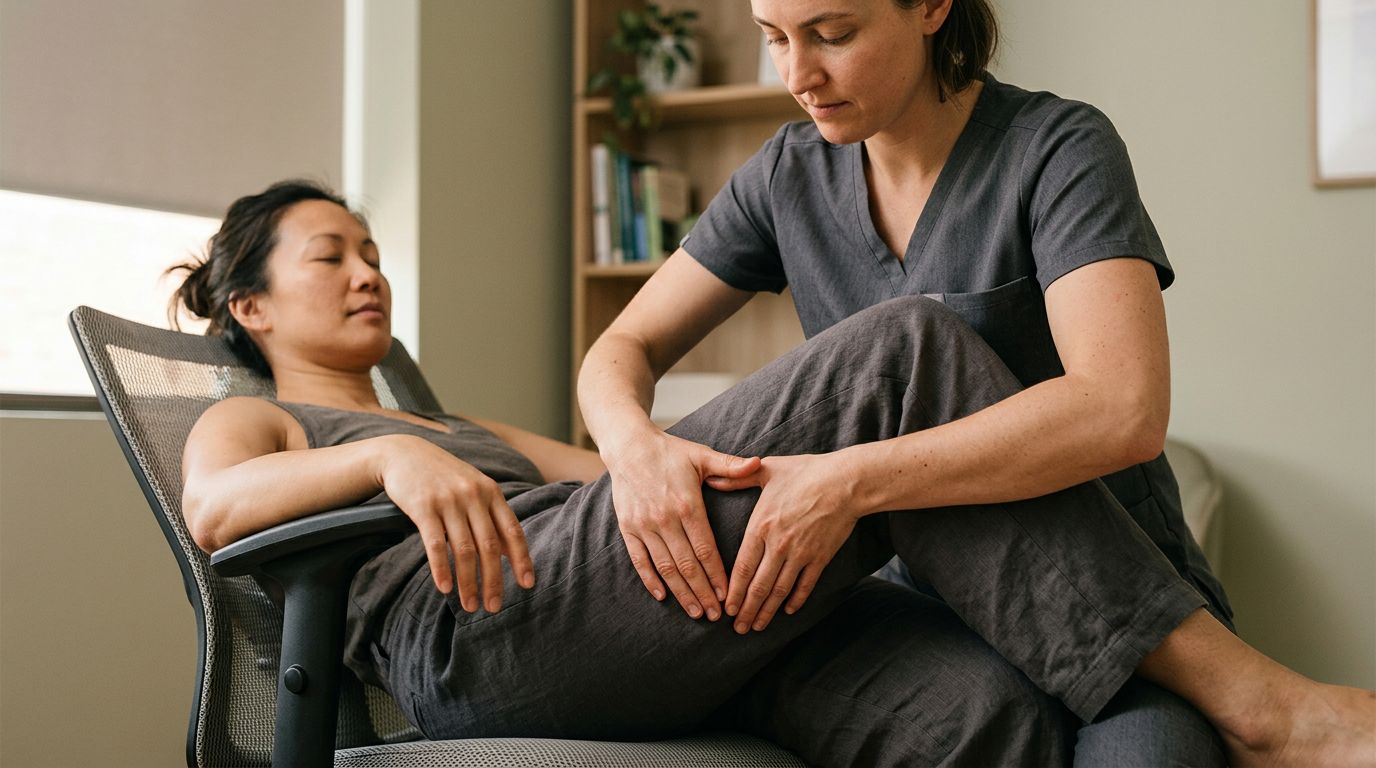
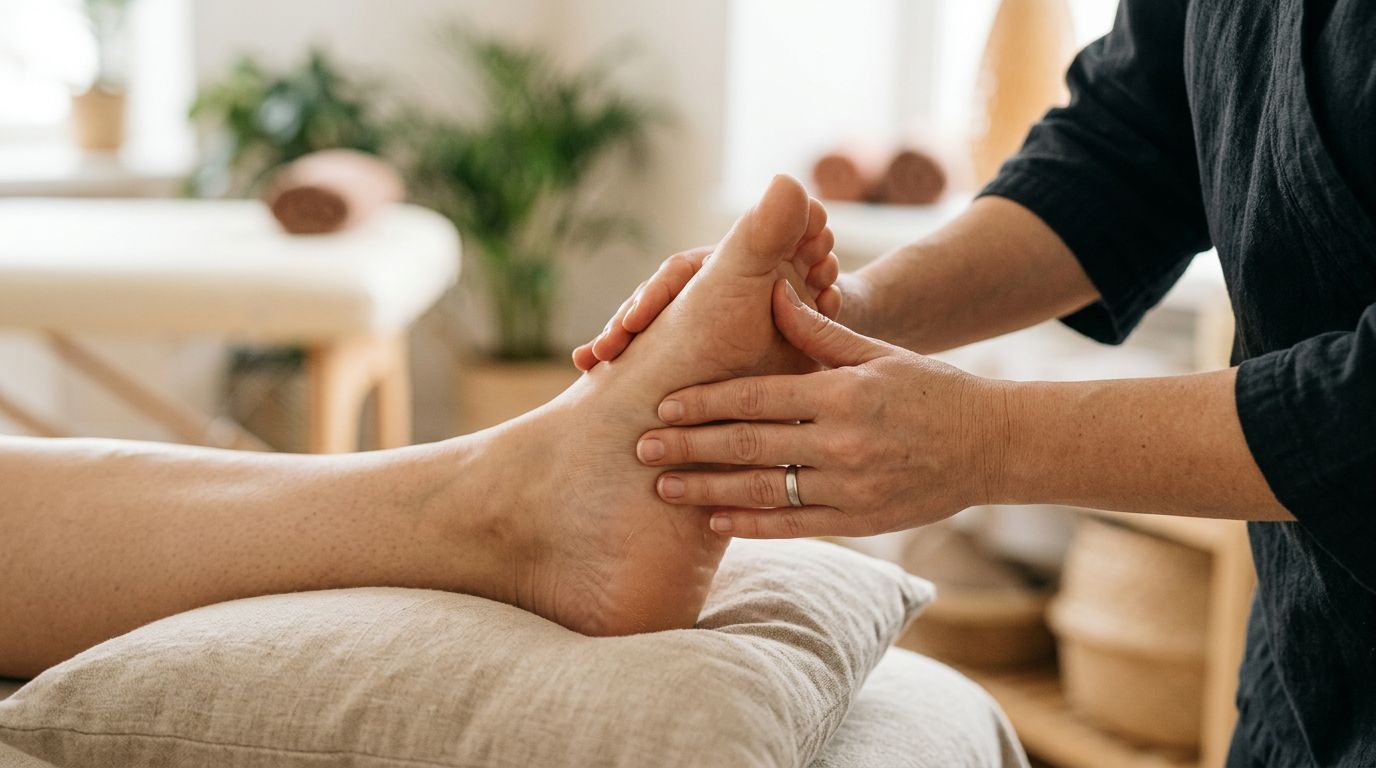
From there, the work is usually more thoughtful than aggressive. The front shin is a sensitive area, so your therapist may begin with the calf and foot first. That can reduce pull through the lower leg and make direct work on the shin more comfortable.
A session often follows this flow:
- Quick assessment : Your therapist checks where the tightness sits and what movements trigger it.
- Surrounding muscle work : Calf, ankle, and foot muscles are treated to reduce strain on the shin.
- Gentle front shin work : Pressure stays controlled, slow, and focused, not heavy and fast.
- Recovery advice : You'll usually leave with tips on activity, stretching, and what soreness is normal.
During the massage, expect tenderness, but not the kind that makes you hold your breath. Some spots may feel sharp at first, then soften. That said, you should always be able to talk through the pressure. If your leg tenses up or you start guarding, the pressure is too much.
Therapists may use slow stripping strokes, trigger point work, compression, or gentle stretching. Some also add work to the hips or calves because poor lower-leg mechanics rarely start in one exact spot. Think of it like untangling a knot in a shoelace. You don't tug only at the tightest loop, you loosen the whole section.
If it's your first visit, don't expect a magic fix in one hour. Many people feel relief right away, but lasting improvement usually comes from a few smart changes done together, massage, better loading, and enough recovery.
What massage can do, what it can't, and how to recover after
A shin splints massage can ease tightness, lower muscle guarding, and make walking feel smoother. It may also help you notice less pulling through the front of the shin during daily movement. That's the good news.
However, massage doesn't erase the reason the pain started. If you keep pushing through hard runs, worn-out shoes, or sudden training jumps, the shin may flare again. Soft tissue work helps the body settle down, but your habits still matter.
Here's a simple way to think about the first 24 hours after treatment:
| What you might feel | Usually normal | What needs attention |
|---|---|---|
| Mild soreness | Yes, for a day or so | No concern if it fades |
| Looser movement | Yes, often right away | A good sign |
| Sharp bone pain, swelling, numbness | No | Get checked soon |
The takeaway is simple: mild soreness is common, but sharp, deep, or worsening pain isn't .
After your session, go easy for the rest of the day. A gentle walk is often fine. Hard speed work usually isn't. You can also use light mobility, calf stretching, and a little rest to help the area settle. Some people like ice if the shin feels hot or irritated, while others do better with easy movement and time.
Call for medical care if you have pain in one exact bony spot, swelling that keeps growing, numbness, weakness, or a tight lower leg that feels severe and out of proportion. Those signs fall outside normal muscle soreness. Massage can support recovery, but it shouldn't delay the right care.
The bottom line on shin splints massage
If front shin tightness feels like a cord pulled too tight, massage can help loosen the pull and quiet the irritation. The best sessions feel focused, measured, and built around what your leg can tolerate that day. Shin splints massage works best as part of a bigger recovery plan, with smart activity choices and enough rest to let the tissue calm down.
Recent Posts