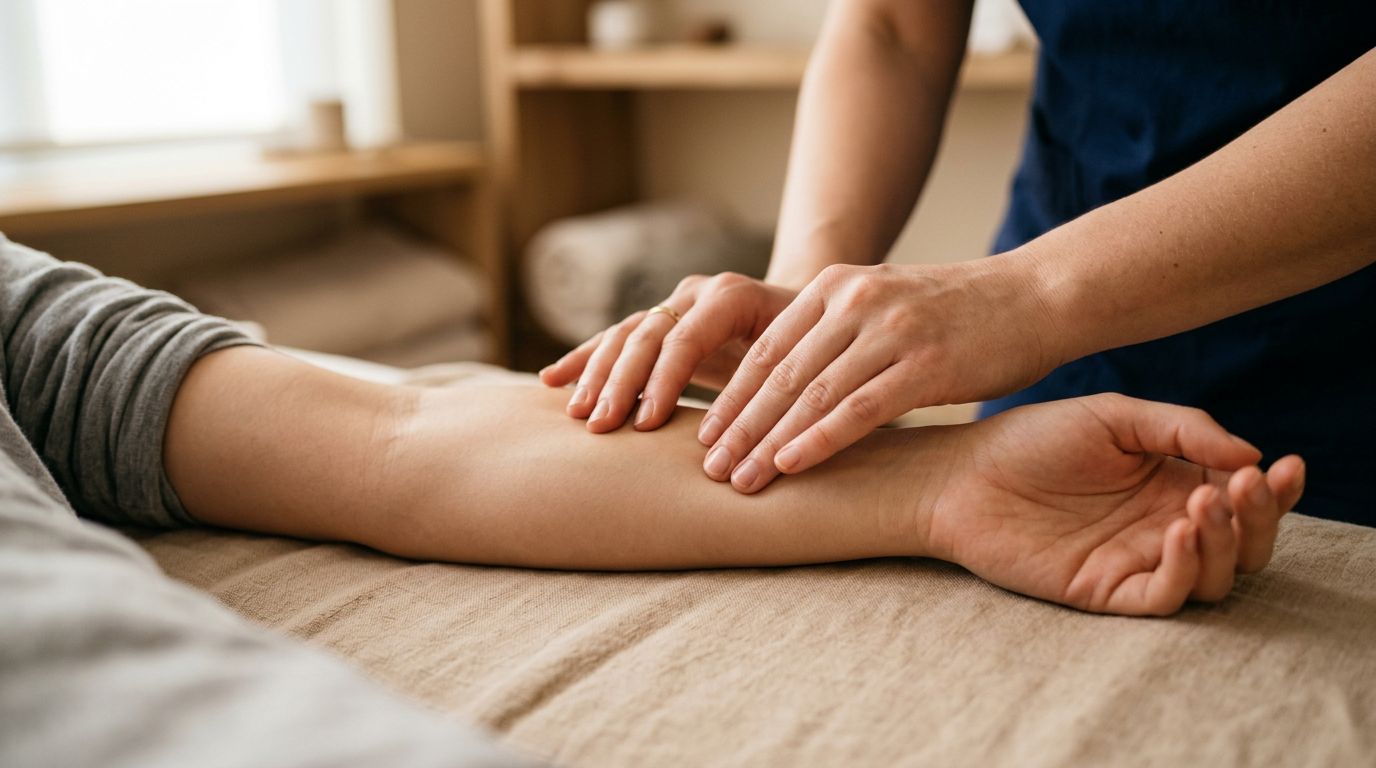
Shin Splints Massage for Sore Shins and Tight Calves: A Practical Self-Massage Guide
That sharp, nagging ache along your shin can make a simple walk feel like a workout. Add tight calves, and each step can feel like a rubber band pulling on your lower leg. If you've been wondering whether shin splints massage can help, you're in the right place.
Massage won't "erase" an overuse injury overnight. Still, the right touch can calm irritated tissues, reduce calf tension, and make rehab work easier to do consistently. The key is knowing where to work, how much pressure to use, and when to stop.
What shin splints often mean (and why calves matter so much)
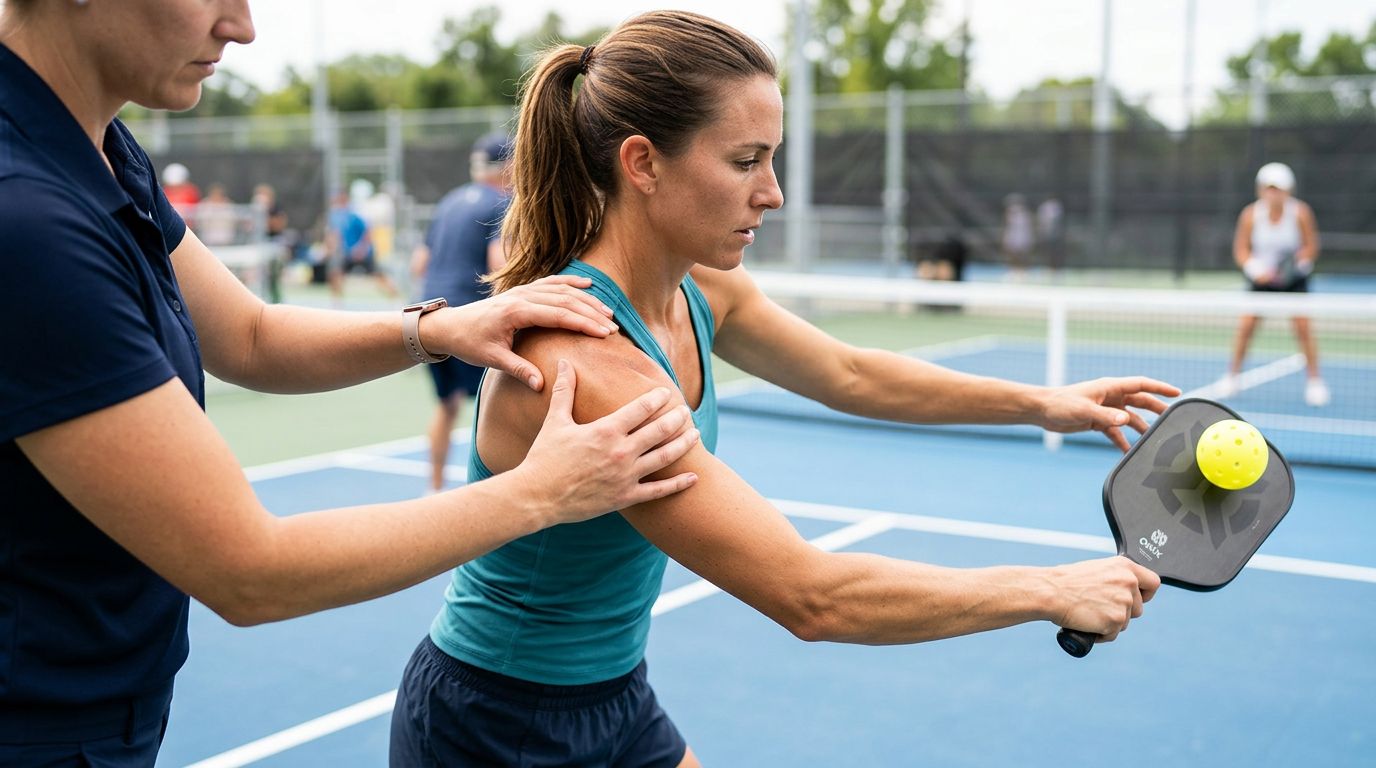
"Shin splints" is a common name, not a perfect diagnosis. Many people use it to describe pain along the inner edge of the shin bone (tibia), often tied to repetitive impact like running, fast walking, hiking, tennis, or pickleball.
Most of the time, the problem is a mix of overload and tight tissue . Your calves and the muscles along the shin help control how your foot lands and how your arch moves. When training ramps up too fast, or your mechanics change (new shoes, new terrain, more hills), those tissues can get cranky.
Tight calves matter because they can limit ankle movement. Then, your body steals motion from somewhere else, often by overworking muscles that attach near the shin. It's a bit like tugging on a sleeve seam all day. Eventually, it complains.
Common signs people call shin splints:
- Tenderness along the inner shin, especially in the lower half
- Pain that warms up, then returns after activity
- Calves that feel "ropey," stiff, or sore to press
- Discomfort when you do repeated heel raises or jog downhill
A quick safety note: massage is for sore shins and tight calves , not for serious injury. Get checked if you have pain in one exact spot on the bone, swelling that doesn't ease, pain at rest or at night, numbness, or symptoms after a sudden "pop." Those can point to a stress fracture or another issue that needs medical care.
How shin splints massage helps sore shins and tight calves
Think of massage like turning down the volume on a car alarm, not rebuilding the engine. When tissues are irritated, they guard. They tighten. That tension can change how you move, which can keep the cycle going.
A smart shin splints massage approach can help by:
Reducing calf tension that pulls on the shin area. The gastrocnemius and soleus (your main calf muscles) can get dense and sore. When they loosen, the lower leg often feels lighter.
Improving tolerance to rehab work. When calves and shin-side muscles aren't as tender, strengthening exercises feel more doable. Consistency is where the real progress happens.
Helping circulation and fluid movement. Gentle, steady strokes can support recovery, especially when paired with rest and gradual training.
Calming pain signals. Massage can ease the nervous system's "protect" response. That doesn't mean you should chase pain with pressure. It means your body may stop bracing as hard.
A good rule: massage should feel like "hurts so good," not "hold your breath and endure." If you tense up, the pressure is too much.
Massage also has limits. It won't fix a sudden training spike by itself. It also won't replace better footwear, smarter running volume, or strength work for feet, calves, and hips. However, it can be the missing piece that helps your lower legs finally let go.
If you want hands-on help, a therapist can work the full chain, including calves, ankles, and even hips. For a professional option, consider targeted massage therapy for shin splint recovery so the session matches your activity level and soreness.
A step-by-step shin splints massage routine you can do at home
This routine targets tight calves first, then the muscles near the shin. Plan for 8 to 12 minutes total. Do it after activity or after a warm shower.
Before you start: keep it safe
Use light to moderate pressure . Avoid heavy digging along the sharp front edge of the shin bone. Also skip massage over areas that are hot, swollen, bruised, or sharply painful.
Here's a quick guide for where to focus.
| Area | What it should feel like | Avoid if you notice |
|---|---|---|
| Calf muscle belly (back of lower leg) | Tender but relieving | Sharp pain, heat, swelling |
| Outer shin muscles (front, slightly to the outside) | Mild ache, loosening | Tingling, numbness |
| Inner shin soft tissue (next to the bone, not on it) | Gentle tenderness only | Pinpoint bone pain |
Step 1: Warm up the calves (60 to 90 seconds)
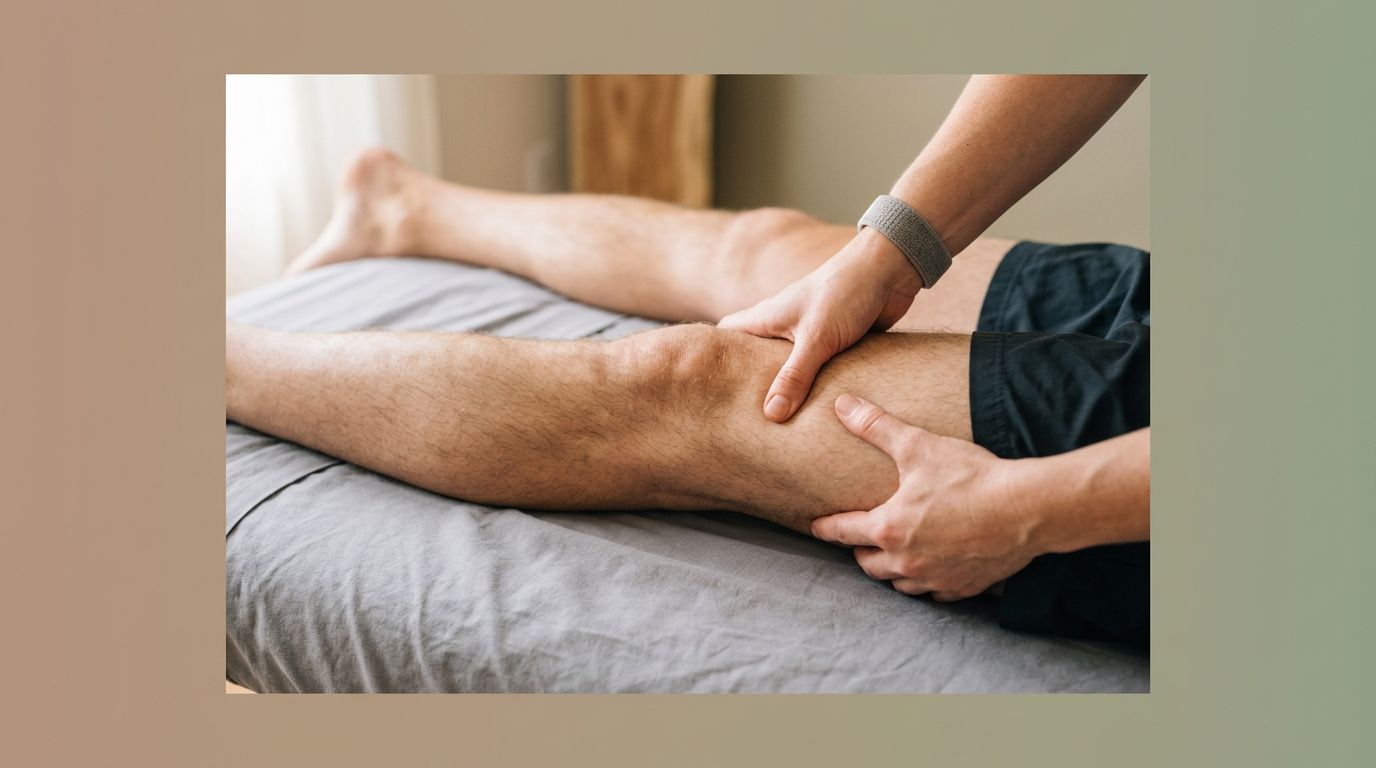
Start with broad rubbing from the ankle up toward the knee. Use lotion or oil if you like. Keep strokes slow. This preps the tissue and helps you feel where the tight bands are.
Step 2: Calf "stripping" with your hands (2 minutes)
With both thumbs or knuckles, glide upward along the calf muscle. Move in lanes, inside, middle, outside. Pause on tight spots for a slow breath, then keep moving.
Keep your foot relaxed. If your toes curl or your jaw tightens, back off.
Step 3: Target the soleus (1 to 2 minutes)
The soleus sits deeper and often stays tight even when the surface feels fine.
Bend your knee slightly and press into the lower half of the calf, closer to the Achilles. Use small circles or short strokes. This should feel specific, not intense.
Step 4: Massage the front of the lower leg (90 seconds)
Place your fingers on the fleshy area just to the outside of the shin bone (tibialis anterior area). Gently move side to side across the muscle, then do short upward strokes.
Avoid scraping directly on the bone. Instead, imagine you're ironing out the fabric next to a zipper.
Step 5: Work the inner edge softly (60 seconds)
If your tenderness sits along the inside border of the shin, stay gentle. Use light fingertip circles on the soft tissue next to the tibia. Keep pressure at a 3 out of 10.
If you find a spot that feels "electric" or makes the foot tingle, stop. Nerves can get irritated in this area.
Step 6: Finish with ankle motion (60 seconds)
Do slow ankle circles and 10 to 15 ankle pumps. Then stand and gently shift weight forward to feel a mild calf stretch.
How often should you do shin splints massage?
For sore shins, daily light work is often better than occasional deep sessions. Try:
- During a flare : 5 to 10 minutes, most days, light pressure
- As maintenance : 2 to 4 times per week, moderate pressure
After massage, hydrate, take a short walk, and keep training changes small. If you run, reduce impact for a bit, then build back gradually.
If massage makes your pain worse for more than a few hours, treat that as useful feedback. Use less pressure, shorten the session, or take a rest day.
The bottom line on shin splints massage
Shin pain rarely comes from one spot. That's why shin splints massage works best when you focus on calves first, then the muscles beside the shin. Keep pressure moderate, avoid digging on the bone, and pair your routine with smarter training and simple strength work.
If your shins keep flaring up, get support sooner rather than later. With the right plan, your lower legs can feel steady again, and your walks or runs won't feel like a negotiation with every step.
Recent Posts