Biceps Brachii Massage for Pull-Up Arm Tightness
Pull-ups can leave the front of your upper arm feeling short, hard, and stubbornly tight. When that happens, the biceps brachii often needs more than a quick stretch.
A careful biceps brachii massage can calm that knotty feeling and help the muscle settle after training. It works best when you use the right pressure and give the arm time to recover.
Why pull-ups make the front of the arm tighten
Pull-ups ask the biceps to help with elbow bending and forearm rotation. Underhand grips, high rep counts, slow lowers, and sets done near fatigue can all increase strain.
That strain often shows up as a tight band across the front of the upper arm. You may feel it near the middle of the muscle or closer to the elbow. Sometimes the soreness also blends into the brachialis or forearm flexors, so the whole area can feel packed and stiff.
Poor shoulder position can make things worse. If your shoulders drift forward or your grip is too demanding, the front arm works harder to keep control. The muscle then stays guarded long after the set ends.
A little soreness after hard training is common. However, pain that gets sharper, lasts too long, or changes how you use the arm needs more caution.
What biceps brachii massage can do
Massage will not erase training stress in one session. It can, however, help the muscle relax and make movement feel easier.
A well-done biceps brachii massage may help with:
- easing the tight, rope-like feeling after pull-ups
- improving comfort when you bend the elbow
- reducing tenderness in the front of the upper arm
- helping you notice whether the pain feels like muscle soreness or something more serious
Use light to moderate pressure at first. The biceps is easy to irritate if you dig in too hard. Stay on the soft muscle tissue, and avoid pressing into the elbow crease or bony spots.
Sharp pain, bruising, swelling, or sudden weakness needs rest and assessment, not deeper pressure.
Warmth helps, too. A warm shower or heating pad before massage can make the tissue feel easier to work with. If the muscle feels angry or inflamed, stop and give it time.
A safe self-massage routine for home
Start with a few minutes of warmth. Then support the arm on a table or rest it on your thigh. Keep the hand relaxed so the biceps can soften.
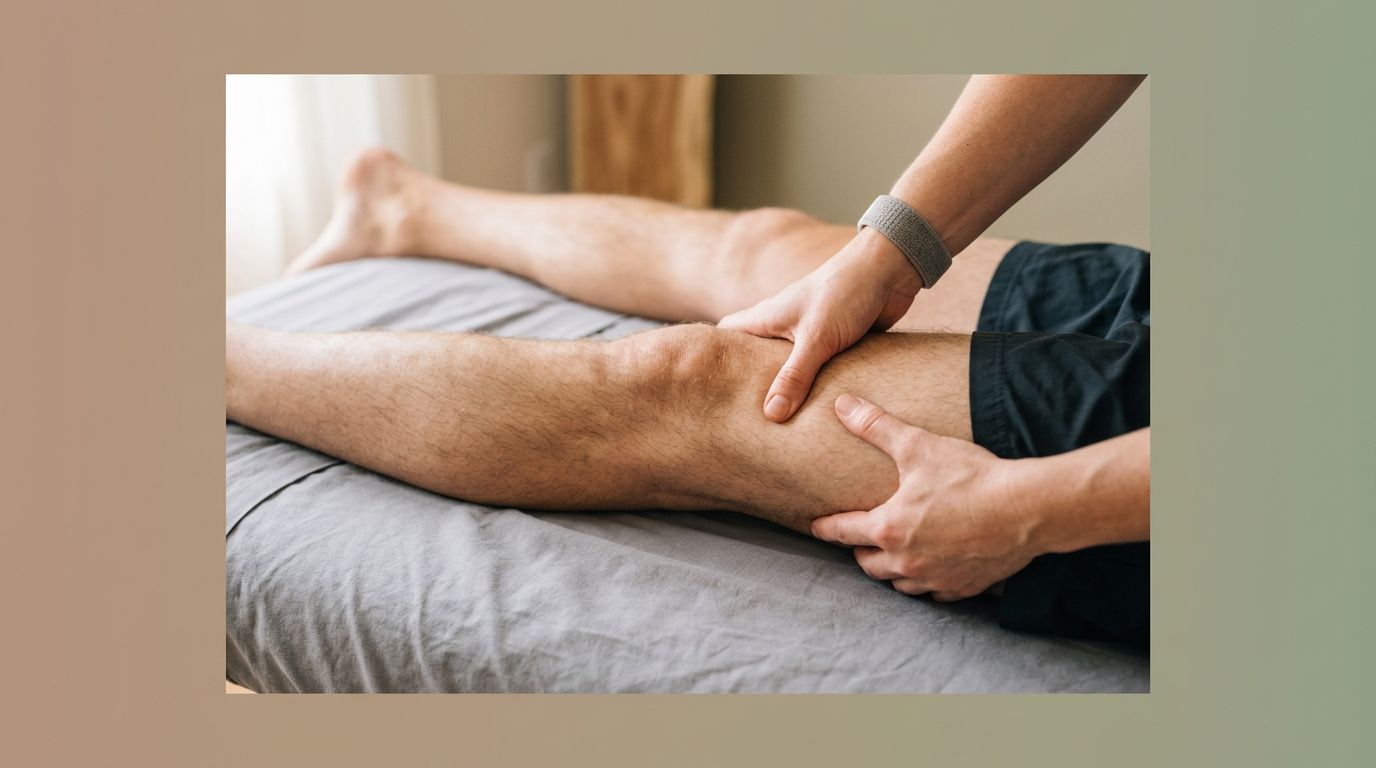
Use the opposite hand to glide slowly along the muscle belly. Move from the middle of the upper arm toward the shoulder, then back down again. Slow strokes work better than fast rubbing, because the goal is to calm the tissue, not wake it up.
Next, try small circles with your fingertips on the thickest part of the muscle. Hold each tender spot for a few seconds, then release. If the muscle eases up, repeat the motion once more. If the spot feels sharp, skip it.
A simple sequence works well:
- Warm the arm for 5 to 10 minutes.
- Glide along the biceps with light pressure.
- Add small circles to the tightest area.
- Bend and straighten the elbow slowly.
- Turn the palm up and down to check how it feels.
Keep the whole process short. One to two minutes per area is enough for most people. Longer work is not always better, especially right after a hard session.
If the arm feels worse after massage, the pressure was too strong or the tissue needs more rest.
Pair massage with mobility and recovery
Massage helps most when you also change the habits that caused the tightness. Otherwise, the same pull-up pattern keeps loading the same spot.
Gentle mobility can reduce that repeat strain. Arm swings, doorway chest stretches, and easy band pull-aparts can help the shoulders sit in a better position. That gives the biceps less work to do on every rep.
A short cooldown matters, too. Walk for a minute after training, shake out the arms, and breathe slowly. Then stretch only until you feel mild tension. Hard stretching right after heavy pull-ups can make a tired muscle clamp down again.
Grip choice matters as well. Neutral grips, rings, and rotated hand positions can spread the load across more tissue. Rest days count, too, because muscle recovery happens between sessions, not during them.
For more massage recovery articles, the spa's massage recovery articles page offers related reading.
If front arm tightness keeps returning, look at your rep volume and form. The problem may not be the biceps alone. It may be the way the whole upper body is sharing the work.
When to book professional massage therapy
Some tightness needs hands-on help beyond home care. If the front of the arm stays sore for days, keeps flaring up after every workout, or starts affecting daily tasks, a therapist can look at the full picture.
Professional work can address the biceps, shoulders, chest, and forearms together. That matters because pull-ups rarely stress only one muscle. The whole upper body joins in, and one tight area often points to another area doing too much.
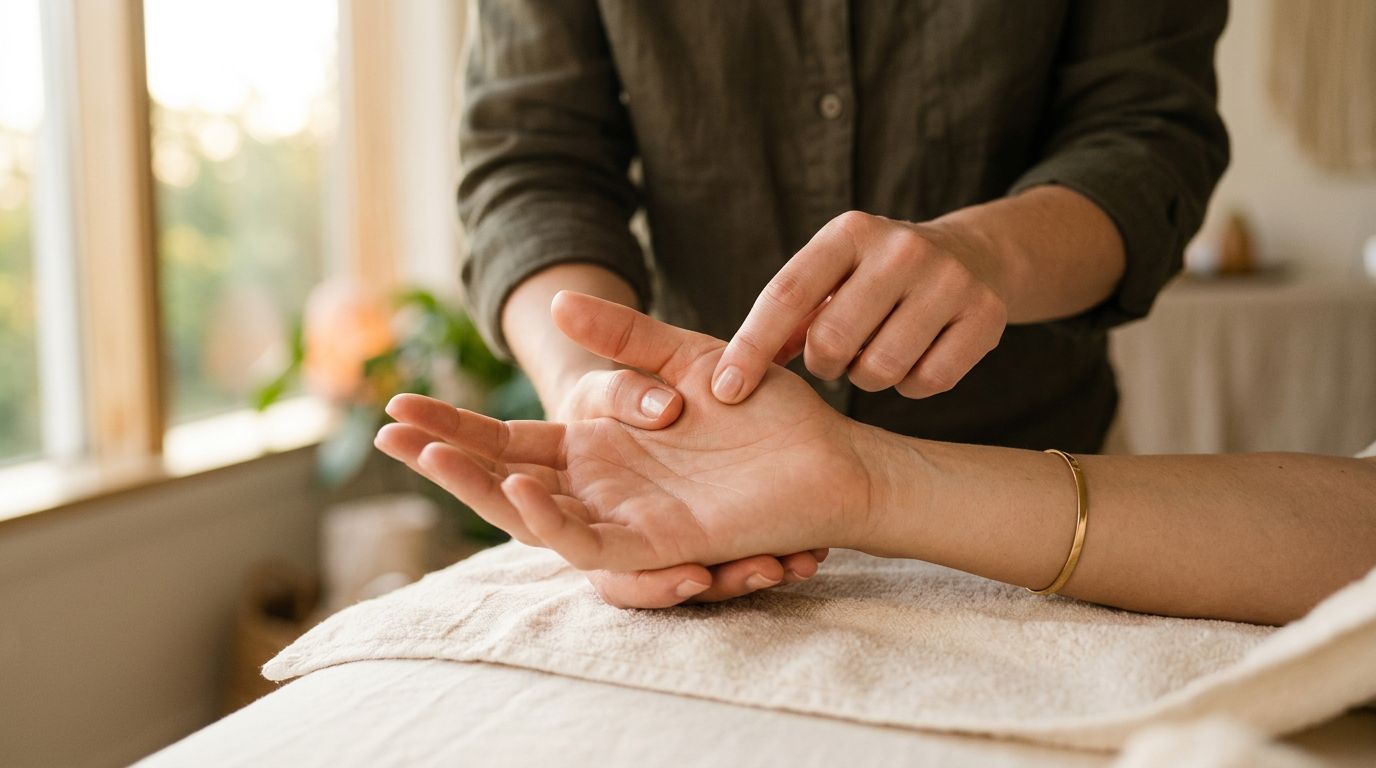
If you want personalized massage therapy for recovery , a skilled therapist can adjust pressure and work around irritated spots. Sports massage can also fit well when training keeps repeating the same strain.
Bring details to the session if you can. Share how many pull-ups you do, what grip you use, and where the pain shows up. Those details help shape the treatment and keep the work focused on what your arm actually needs.
Conclusion
Pull-ups can leave the front of the arm feeling tight, heavy, and hard to relax. A careful biceps brachii massage can ease that feeling, especially when you keep the pressure gentle and stay on soft tissue.
The best results come from a simple mix of massage, mobility, and smarter recovery. If the pain is sharp or keeps coming back, get it checked instead of pressing harder.
A looser arm moves better, pulls better, and feels better after the workout ends.
Recent Posts