Quadratus Lumborum Massage for Side Low-Back Pain Relief

STILL Massage + Skin • March 16, 2026

Share this article

That nagging ache on one side of your low back can feel personal. It grabs when you roll in bed, stand from a chair, or carry groceries on one hip.

Often, the culprit is a small but stubborn muscle called the quadratus lumborum massage target, usually shortened to "QL." When it tightens, it can make your back feel like it's "stuck," even if nothing serious is going on.

This guide explains what the QL does, why it flares up, and how quadratus lumborum massage can help. You'll also learn what a good session feels like, plus safe ways to support relief at home.

Why the QL can trigger side low-back pain

The quadratus lumborum sits deep in the back wall of your abdomen. It runs between your pelvis (iliac crest) and the lowest rib, and it also connects to the side of your lumbar spine. Because it links the ribs, spine, and pelvis, it's constantly involved in daily movement.

When the QL does its job well, it helps you:

  • Stay upright when you stand or walk
  • "Hike" one hip up (like stepping over something)
  • Stabilize your low back when you reach, lift, or twist
  • Support breathing mechanics through that bottom rib

Problems start when the QL becomes overworked. That can happen for simple reasons, like sitting with your weight shifted to one side, carrying a toddler on the same hip, or favoring one leg because your foot or knee is cranky.

Side low-back pain often shows up as a deep ache near the top of the pelvis, slightly off the spine. It may also feel sore along the side of the waist, or even like a pinch near the back of the hip.

Here's the tricky part: a cranky QL can "talk" to nearby areas. You might feel discomfort in the glute area, the outer hip, or around the sacroiliac region, even if the QL is the main driver.

A helpful clue: QL pain often feels worse with side-bending, rolling over in bed, or standing after long sitting.

Still, not every one-sided back pain is QL-related. Kidney issues, disc irritation, and nerve pain can mimic it. If symptoms feel sharp, electric, or travel below the knee, get checked by a medical pro.

What quadratus lumborum massage should feel like (and what it shouldn't)

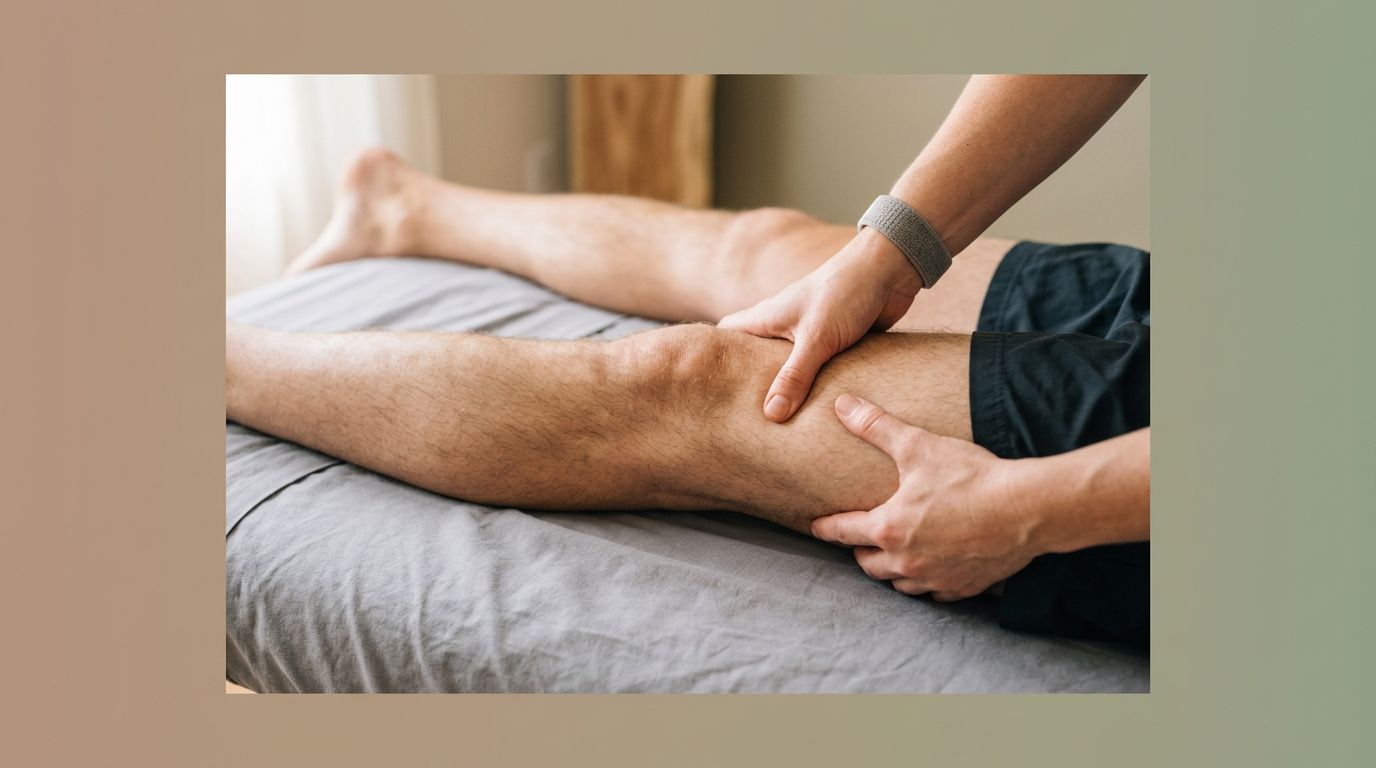
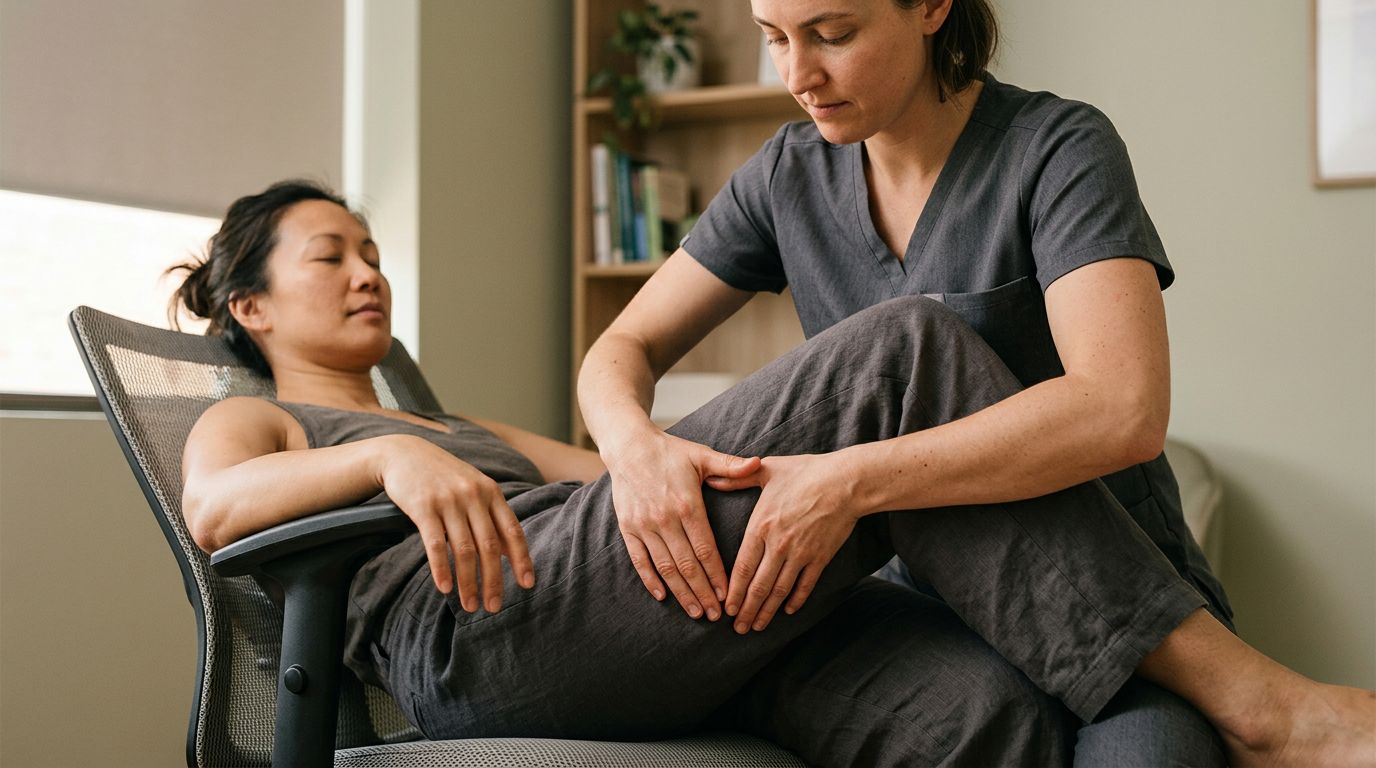
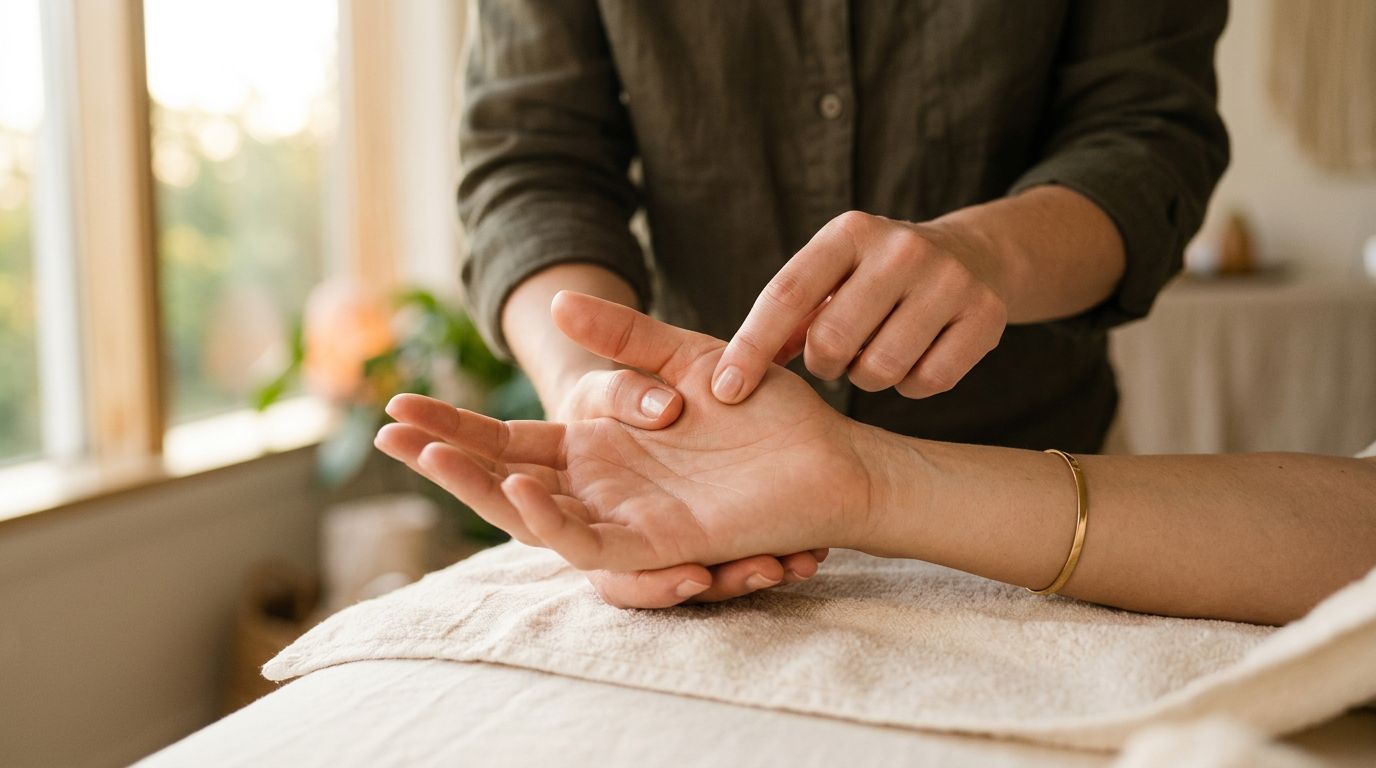
A good quadratus lumborum massage usually feels specific, slow, and a bit intense, but not scary. Since the QL sits deep, your therapist won't "dig" straight down with force. Instead, they'll use angles, breath cues, and steady pressure to reach the tissue without guarding.

In a professional session, QL work commonly happens in side-lying or face-down positions. Side-lying often works best because it lets the therapist soften the area between the rib and pelvis, while keeping your low back supported.

During the massage, you might notice:

  • A dull, spreading ache that eases as you breathe
  • Tender points near the back of the waist
  • A sensation that refers into the hip or glute (common, and often normal)
  • More freedom when you stand up, especially with side-bending

On the other hand, some sensations are a "stop" sign.

If pressure creates sharp pain, numbness, tingling, or a catching sensation that worsens after, the approach needs to change.

Communication matters here. Tell your therapist where you feel it, and describe the sensation (sharp, dull, burning, radiating). Also share what flares it up, like walking, sitting, or sleeping on one side.

If you're booking massage specifically for low-back and hip tension, choose a session that allows focused time on problem areas. A targeted option like Targeted Back Pain Therapy can be a good fit when the goal is relief, not just relaxation.

Finally, timing helps. Many people do best with QL work after a few warm-up minutes on the glutes, low back, and hips. Once your nervous system settles, deeper work lands better.

Safe self-massage for QL pain (plus habits that keep it calmer)

Self-massage can help, especially between professional sessions. The key is control. You want steady pressure, not aggressive poking. Think of it like ironing a wrinkle out of fabric, slow, even, and patient.

A simple self-release you can try at home

Use a massage ball or a tennis ball, and avoid putting pressure directly on your spine or kidney area.

  1. Lie on your back with knees bent, feet on the floor.
  2. Place the ball just above the top of your pelvis, a few inches to the side of your spine.
  3. Shift slowly until you find a tender, "good hurt" spot.
  4. Hold pressure for 20 to 40 seconds while taking slow breaths.
  5. Ease off, then move the ball slightly and repeat 2 to 4 times.
  6. Stand up and gently side-bend to see what changed.

Stop if symptoms sharpen, spread down the leg, or feel nerve-like.

Two small habits that often matter more than stretching

Stretching can help, but daily patterns usually decide whether the QL keeps flaring.

First, change how you stand. If you "hang" on one hip, set a reminder to stand with weight more even, ribs stacked over pelvis.

Next, break up long sitting. Even 60 seconds of walking every hour can calm protective tension. Also try a few slow breaths into the side ribs, since rib motion affects QL tone.

When to skip self-work and get evaluated

Seek medical care sooner if you notice:

  • Fever, chills, or unexplained illness with back pain
  • New weakness, numbness, or tingling
  • Bowel or bladder changes
  • Pain after a fall or accident
  • Night pain that doesn't change with position

Those aren't typical "tight muscle" signs.

Conclusion

Side low-back pain can be stubborn, but it's often workable. When the QL is involved, quadratus lumborum massage can reduce guarding, improve movement, and make daily tasks feel normal again. Pair bodywork with steadier standing, less prolonged sitting, and gentle self-release, and you'll usually get better results. If your pain keeps returning, consider a session focused on the low back and hips, then ask what patterns might be feeding the tension.

Recent Posts

By STILL Massage + Skin March 15, 2026
Arm tingling can feel like a bad phone charger, the signal cuts in and out, and you can't trust it. If you've been told you might have thoracic outlet syndrome (TOS), that tingling often isn't random. It's your body saying a nerve, a blood vessel, or both are getting crowded w...
By STILL Massage + Skin March 14, 2026
That tight, tugging feeling behind your heel can make every step feel cautious. One minute you're fine, then you stand up and your ankle moves like a rusty hinge. If that sounds familiar, achilles tendonitis massage can help, but only when you do it at the right time and in th...
By STILL Massage + Skin March 13, 2026
Chronic tension can feel like carrying a backpack you never put down. Your shoulders creep up, your jaw stays tight, and even rest doesn't fully reset you. When stress stacks up week after week, a massage can help, but session length matters more than most people think. If you...
By STILL Massage + Skin March 12, 2026
If your neck feels like it's holding up a bowling ball by 3 p.m., you're not imagining it. Long hours at a desk can turn a normal workday into a steady ache that climbs from your shoulders to the base of your skull. A text neck massage is designed for that exact pattern of ten...
By STILL Massage + Skin March 11, 2026
If you've got knee arthritis, you already know how stubborn the pain can feel. Some days it's a dull ache. Other days it's sharp, hot, or stiff like the joint "won't warm up." So it's normal to wonder what massage will feel like, and whether it could make things worse. A well-...
By STILL Massage + Skin March 10, 2026
Outer elbow pain can sneak up on you. One day you're opening a jar or lifting a tote, and the next day the outside of your elbow feels hot, cranky, and strangely weak. If you're wondering what tennis elbow massage feels like, you're not alone. People often worry it'll be sharp...
By STILL Massage + Skin March 9, 2026
That sharp, burning ache on the outside of your hip can make everyday life feel oddly hard. Walking the dog hurts. Rolling over in bed wakes you up. Even sitting can feel annoying because you know standing up will sting. If you're looking into hip bursitis massage , you probab...
By STILL Massage + Skin March 8, 2026
Hip flexor tightness can feel like a stubborn knot deep in the front of the hip, the kind that won't quit no matter how much you stretch. Sometimes it even shows up as low back tension, a "pinchy" feeling in the hip crease, or a pelvis that won't sit comfortably. A psoas relea...
By STILL Massage + Skin March 7, 2026
Clogged pores can make skin feel like a "bumpy sweater" you can't take off. Makeup sits weird, sunscreen pills, and your nose somehow looks shiny and rough at the same time. A hydrafacial clogged pores treatment is popular because it tackles congestion without the rough squeez...
By STILL Massage + Skin March 6, 2026
When stress sits in your body long enough, it can start to feel like it's running the show. Your shoulders stay up near your ears, your jaw won't unclench, and your head feels one trigger away from a migraine. That's why many people get curious about craniosacral therapy . If...
Show More