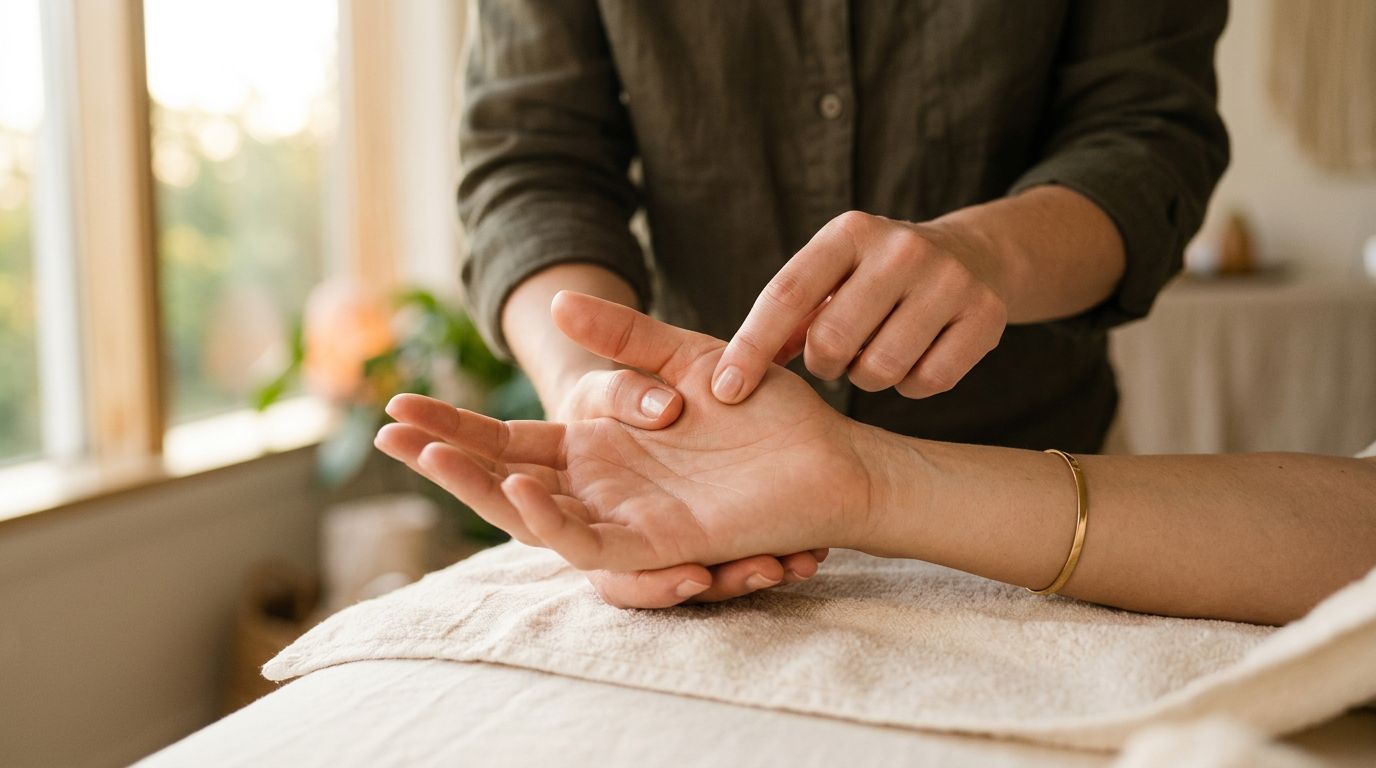
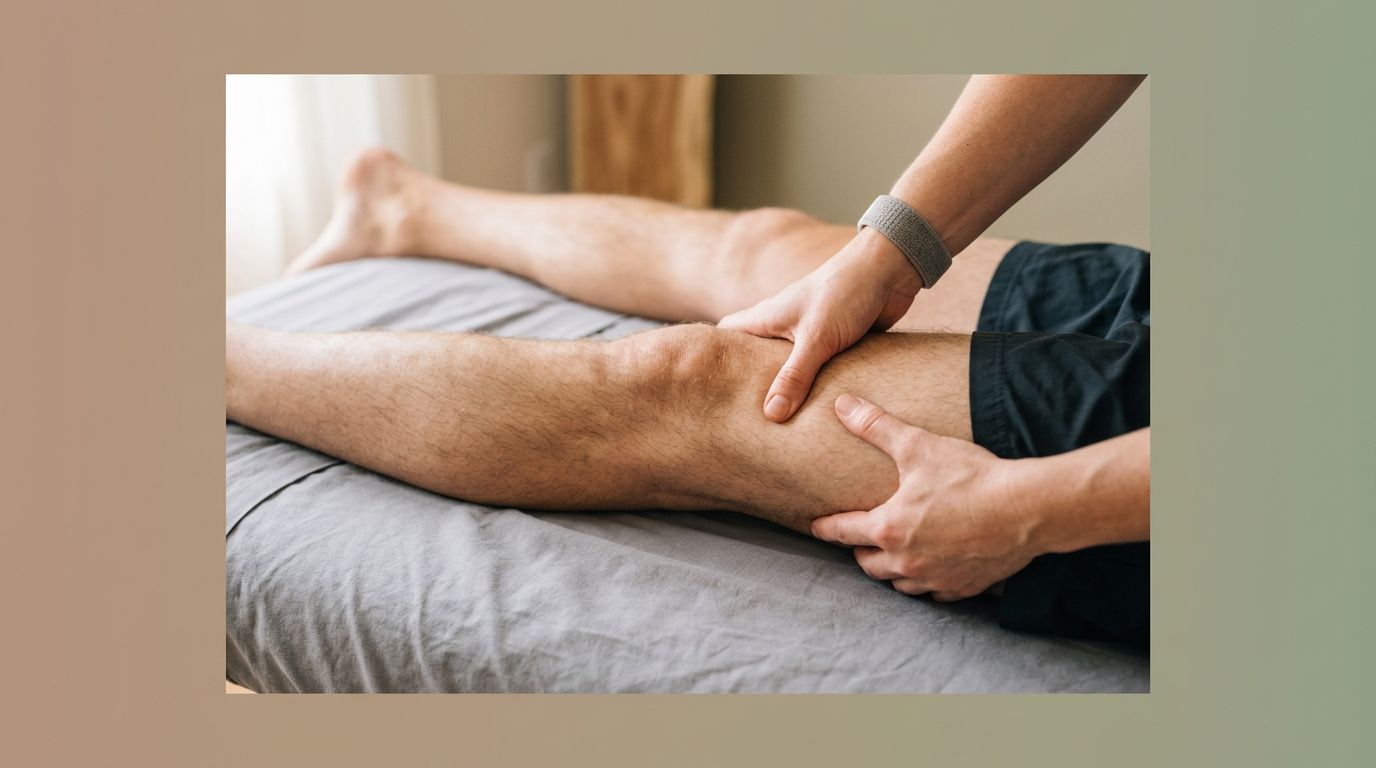
Massage for Knee Arthritis Pain: What It Feels Like And What To Expect
If you've got knee arthritis, you already know how stubborn the pain can feel. Some days it's a dull ache. Other days it's sharp, hot, or stiff like the joint "won't warm up." So it's normal to wonder what massage will feel like, and whether it could make things worse.
A well-done knee arthritis massage usually doesn't feel like someone grinding on your kneecap. It feels more like your support muscles finally letting go, your joint moving a little easier, and your nervous system getting a break from the constant "guarding."
Here's what people commonly feel during and after massage, plus how to get the most relief without overdoing it.
Why knee arthritis pain can feel "tight" even when the joint is the problem
Arthritis affects the joint, but the discomfort doesn't stay neatly inside the knee. When the knee hurts, your body protects it. As a result, muscles around the joint can tense up and stay tense, even at rest.
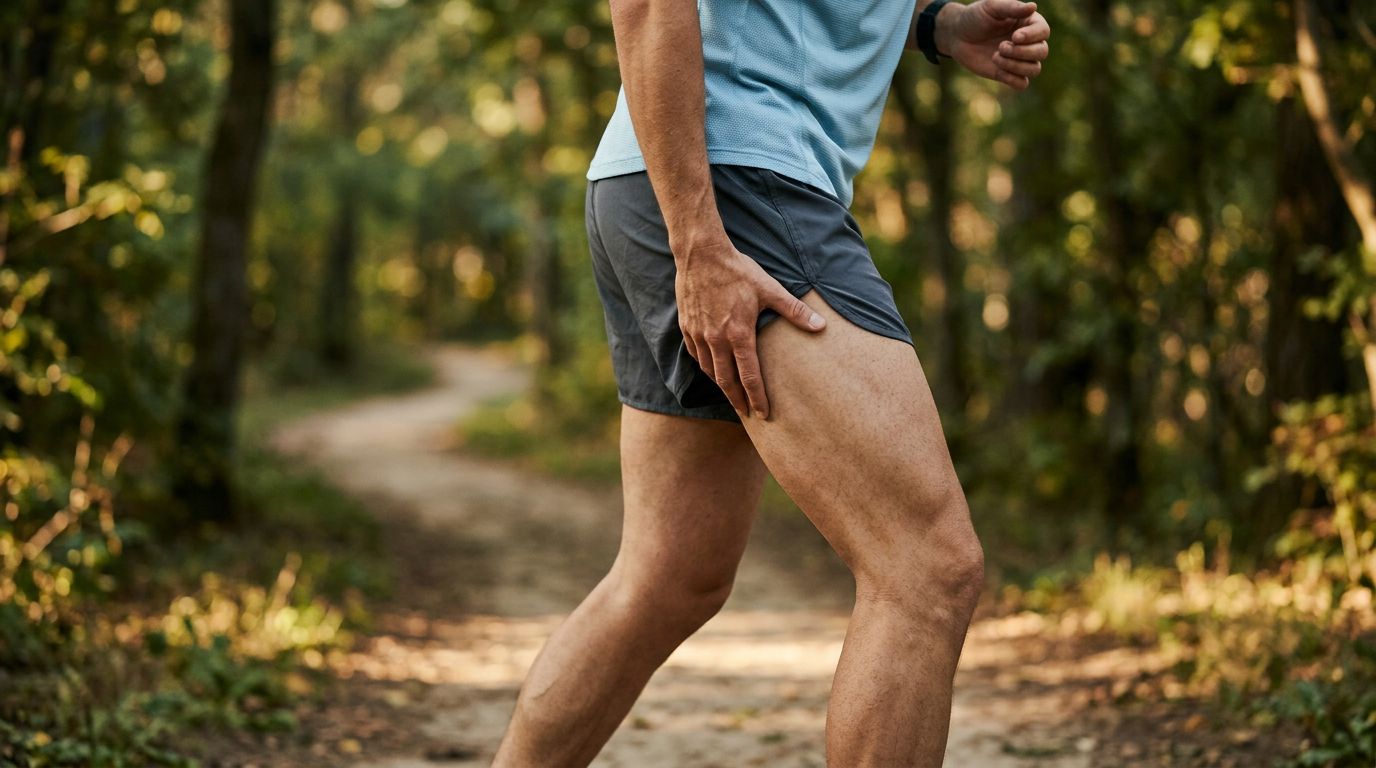
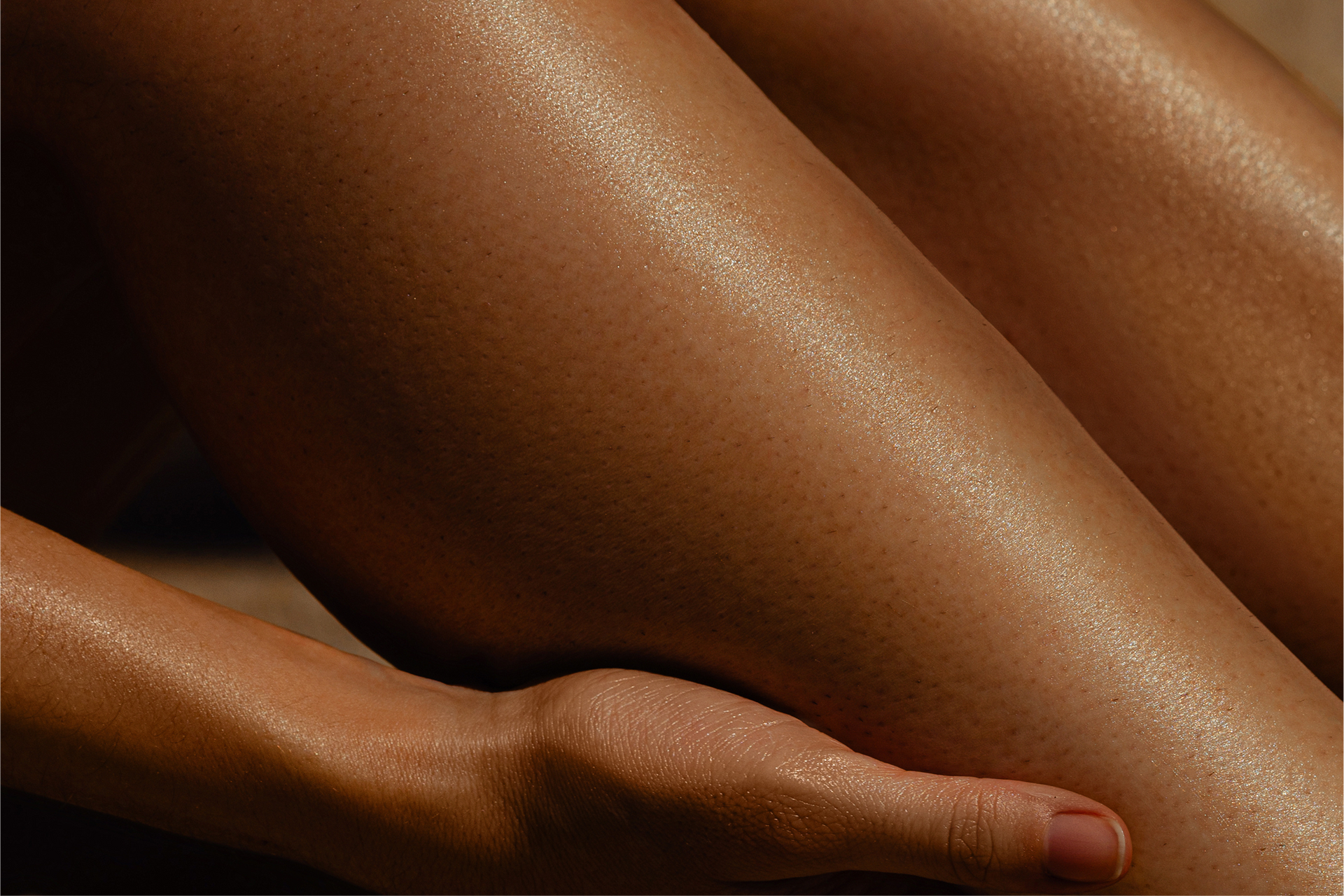
Common spots that get cranky include the quadriceps (front thigh), hamstrings (back thigh), calves, and the tissues along the outer thigh and hip. That tension can change how you walk, which can add more stress to the knee. It becomes a loop.
Massage helps most when it targets that loop. Instead of trying to "fix" cartilage, skilled touch can:
- calm down overprotective muscle tone
- improve circulation to surrounding soft tissue
- reduce the feeling of stiffness
- make movement feel safer again
It also supports the stress side of pain. Arthritis pain isn't only mechanical. Your nervous system plays a role in how loud pain signals feel. When your body finally relaxes, pain often feels less intense.
For a reputable overview of where massage fits among complementary options, see the Arthritis Foundation's benefits of massage.
If you're considering professional care, it also helps to choose a session that can be customized to your daily pain level, like massage therapy for knee pain relief.
The goal isn't to "beat up" the knee. The goal is to help the tissues around it stop bracing all day.
What a knee arthritis massage feels like during the session
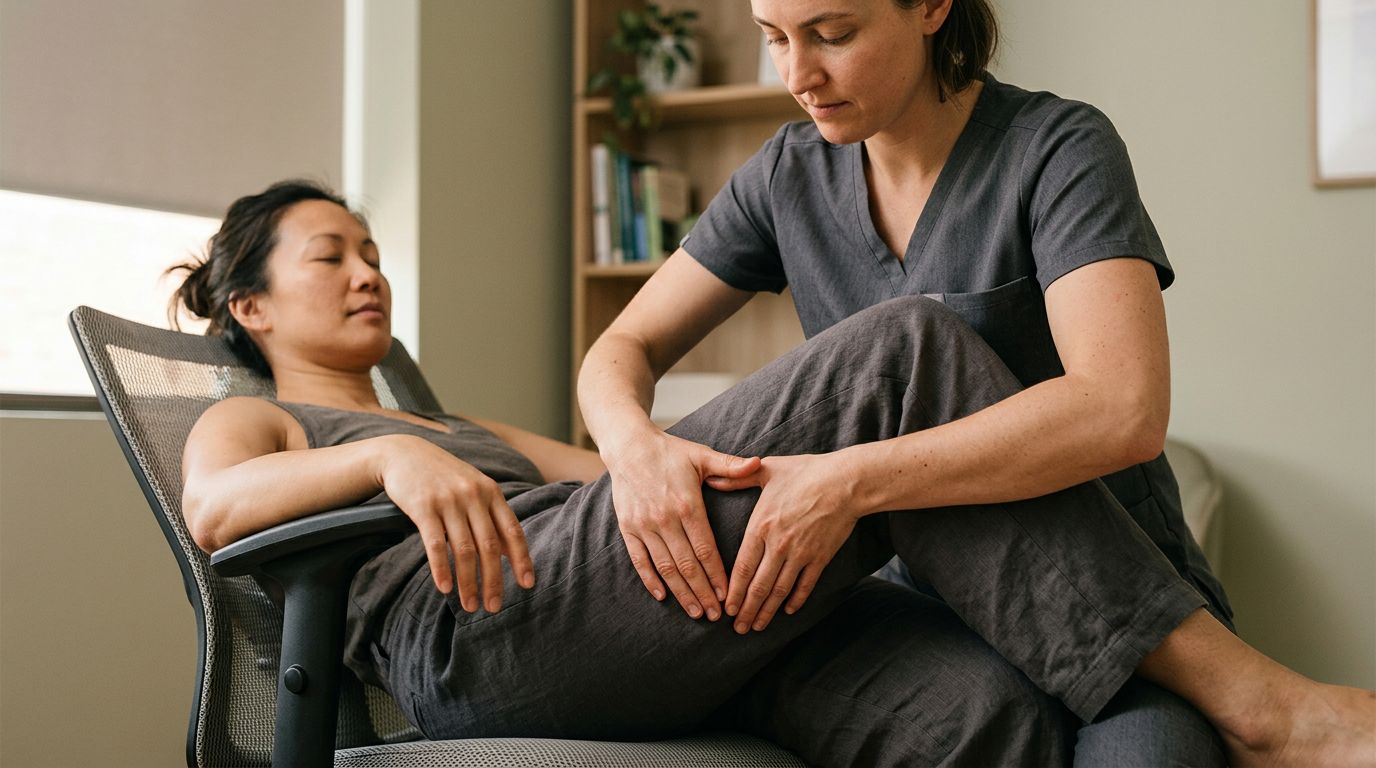
Most people expect the massage to focus directly on the knee joint. In practice, the best relief often comes from working around it first. Think of it like loosening tight guy wires before you adjust the pole.
At the start: warmth, "melting," and a guarded feeling fading
In the first few minutes, you might notice a gentle warmth spreading through the thigh or calf. It can feel soothing, like a heating pad that actually sinks in. If you've been walking with a limp or holding tension, you may also feel oddly protective at first, like your body isn't sure it's safe to let go.
As the therapist works gradually, that guarded feeling often eases. Breathing tends to deepen without you trying.
During deeper work: a "good hurt" that stays controllable
When massage targets tight quads, hamstrings, or calves, you may feel a strong tenderness. Many people call it a "good hurt," meaning it's intense but relieving. The key is that it should still feel controllable, and you should be able to breathe through it.
You might also feel:
- a slow ache that spreads along the muscle (common with trigger points)
- a pulling sensation when tight tissue starts to lengthen
- tingles or light buzzing (often from pressure near nerves, not on them)
- emotional release, like a sudden sigh, or feeling sleepy
Direct work around the knee itself is usually lighter. The tissues are sensitive there, and too much pressure can flare symptoms. Gentle compression around the joint, or work along the edges of surrounding muscles, often feels better than poking at the knee.
When movement is included: "Wow, it bends easier"
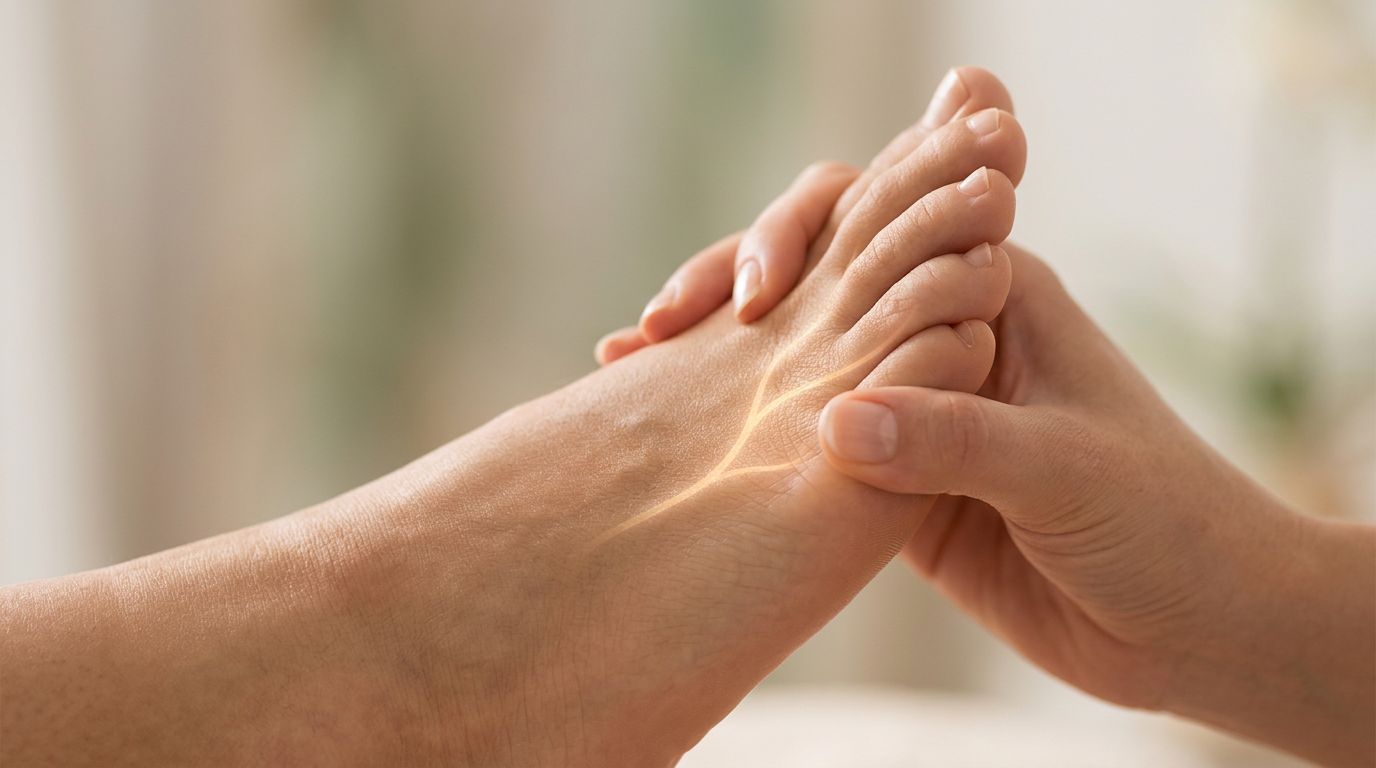
Some therapists add small, supported movements. That can feel like the knee has a little more space, even if it's subtle. The sensation is often relief first, then surprise. It's similar to opening a sticky drawer that finally slides.
Here's a quick guide to what's typically normal versus what you should speak up about right away:
| Sensation during massage | Usually OK | Speak up immediately |
|---|---|---|
| Mild to moderate tenderness in thigh or calf | Yes | No |
| Warmth, heaviness, relaxation | Yes | No |
| Sharp, zinging pain (electric) | No | Yes |
| Pain that jumps from "3" to "8" fast | No | Yes |
| Soreness that feels like a workout afterward | Often | If it lasts more than 48 hours |
A good therapist will adjust pressure fast. Your feedback is part of the treatment, not a complaint.
What it can feel like afterward (the next 24 to 48 hours)
Right after a knee arthritis massage, many people feel lighter on their feet. Walking may feel smoother, and stairs might seem less intimidating. Some clients describe it like taking a backpack off, not because the joint changed, but because the surrounding tension softened.
Still, it's also normal to feel:
- sleepy or "floaty" for a few hours
- mild soreness in the worked muscles
- temporary swelling awareness if you're sensitive to fluid shifts
The next day is the real test. The best sign is that daily movement feels easier, especially first thing in the morning. If you feel more stiff and achy than usual, the pressure may have been too much, or the session may have focused too directly on the knee.
A helpful session should leave you feeling calmer and looser, not flared up and guarded.
How to get better results from knee arthritis massage (without triggering a flare)
Massage works best when it's treated like a dose. Too little doesn't do much, too much can irritate the area. These tips keep it in the sweet spot.
Communicate in simple, practical terms
Skip complicated descriptions. Use a 0 to 10 scale, and give clear direction like "stay at a 4" or "that spot feels sharp, please lighten up." Also mention what your knee does on bad days (buckling, clicking, swelling, heat), since that changes how cautious the session should be.
Time it around your activity
If you've got a long walk, golf day, or big errands planned, schedule massage after, not before. Many people feel looser afterward and may do more than usual, which can backfire.
Use the right add-ons (and skip the wrong ones)
Heat often feels great when the knee is stiff. On the other hand, if your knee is actively swollen or hot, strong heat can feel worse. Gentle work plus cool-down time may be a better match on those days.
Know when massage isn't the right call
Avoid massage over the knee if you have sudden swelling, redness, fever, calf pain with swelling, or a new injury. Also check with your clinician if you have blood clot risk, a recent surgery, or unexplained sharp pain.
If you want a simple at-home option between sessions, try light self-massage on the thigh and calf (not hard pressure on the kneecap), followed by slow knee bends within a comfortable range.
Conclusion
So, what does knee arthritis massage feel like? Most often, it feels like tight support muscles finally loosen, movement gets less threatening, and the joint gets a break from constant bracing. The best sessions are specific, adjustable, and respectful of the knee's sensitivity. If you're ready to try it, start gently, speak up early, and track how you feel the next day. Your body will tell you what helps.
Recent Posts