Tennis Elbow Massage For Outer Elbow Pain What It Feels Like
Outer elbow pain can sneak up on you. One day you're opening a jar or lifting a tote, and the next day the outside of your elbow feels hot, cranky, and strangely weak.
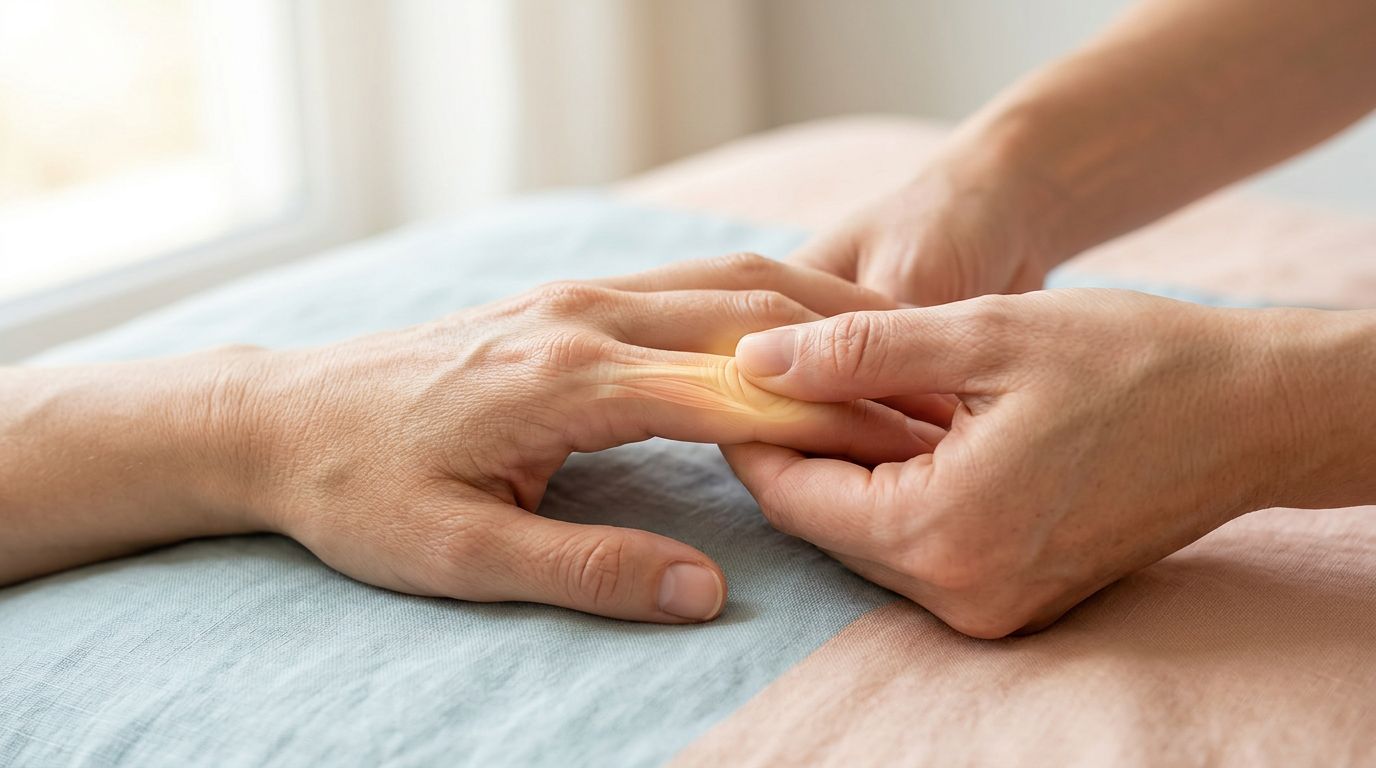
If you're wondering what tennis elbow massage feels like, you're not alone. People often worry it'll be sharp or unbearable, especially when the area already hurts. The good news is that a well-done massage usually feels more like "productive discomfort" than pain, and it often targets the forearm more than the elbow bone itself.
Let's break down what's going on, what the sensations mean, and how to keep massage safe when your outer elbow is irritated.
Why outer elbow pain shows up (and why it doesn't feel like a simple bruise)
"Tennis elbow" is the common name for irritation where forearm muscles attach near the outside of the elbow (the lateral epicondyle). Despite the name, you don't need a racket to get it. Repetitive gripping, typing, lifting, yard work, and even long stretches of holding a phone can contribute.
Here's the part that confuses people: the sore spot is near the elbow, but the tired tissue often lives lower, in the forearm. Think of the tendon like a rope that anchors muscle to bone. When that rope gets overworked, it can start to feel frayed and angry. As a result, your brain may interpret normal movement as a threat, so everyday tasks suddenly sting.
Outer elbow pain also tends to have a "gotcha" quality. It's quiet at rest, then flares when you:
- grip a steering wheel tightly
- shake hands
- lift a pan with your palm down
- twist a lid or a screwdriver
- carry a bag with a straight elbow
Instead of a single bruise-like ache, tennis elbow can feel sharp with effort , then settle into a dull throb. Some people notice it radiates down the forearm, almost like the muscle itself is complaining.
If pressing directly on the bony point of the elbow makes you jump, massage usually shouldn't start there. Most relief comes from working the forearm muscles that tug on that attachment point.
Massage helps because it can calm protective tension, improve local circulation, and make movement feel less "threatening." Still, it's not a magic eraser. The biggest wins usually come when massage supports smarter use of the arm, better pacing, and gradual strengthening.
Tennis elbow massage: what it feels like (and what's normal)
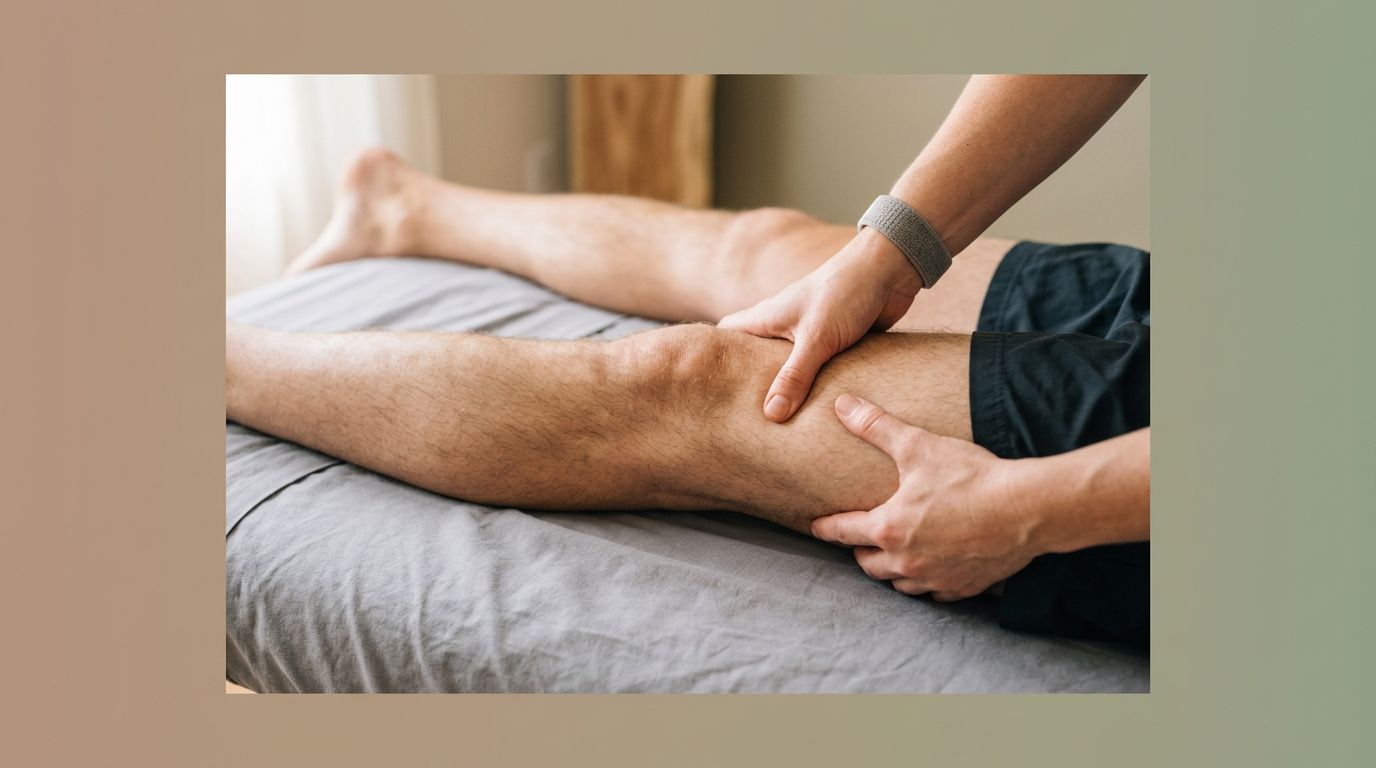
A helpful tennis elbow massage often feels intense in a very specific way. It's not meant to be a "push through it" experience. Instead, it's a controlled pressure that your body can soften into.
Common sensations during massage
Most people describe a mix of these feelings:
1) Tender pressure in the forearm
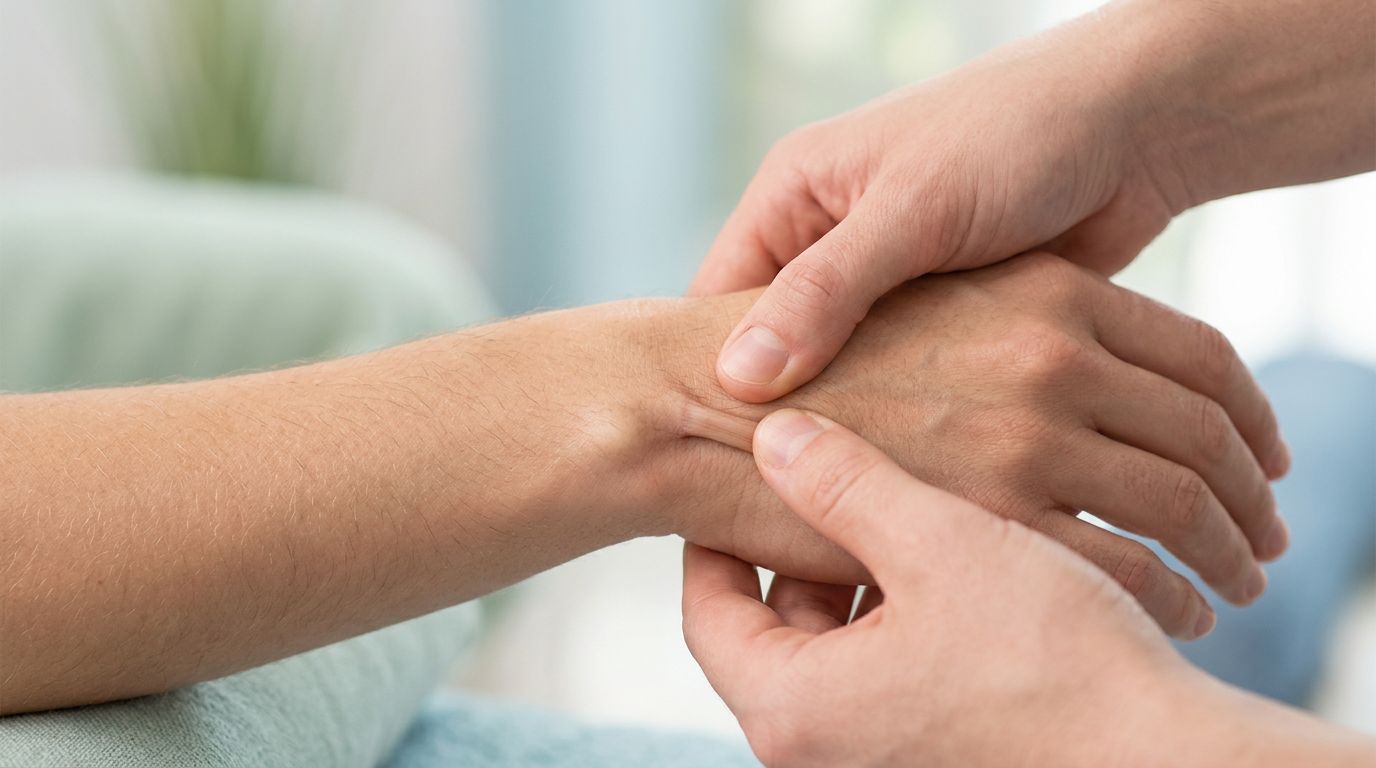
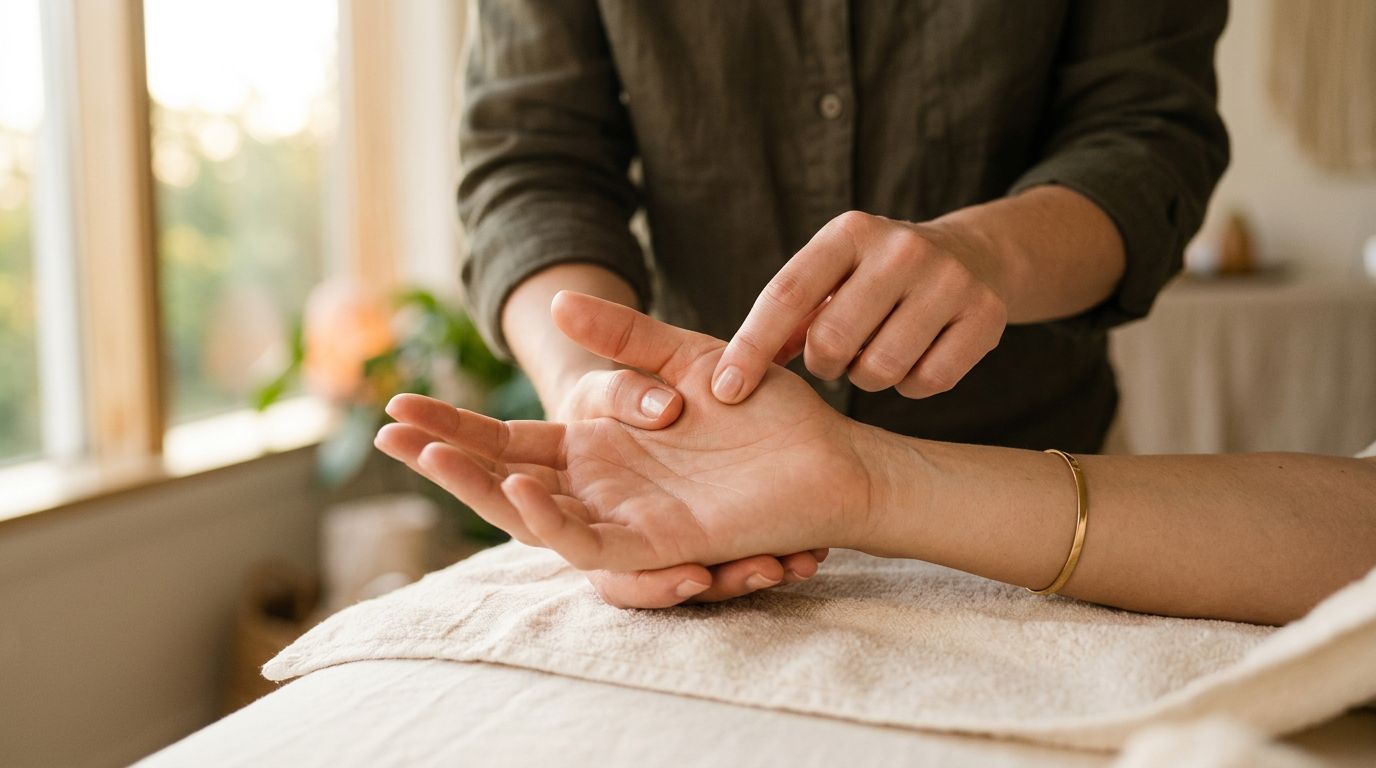
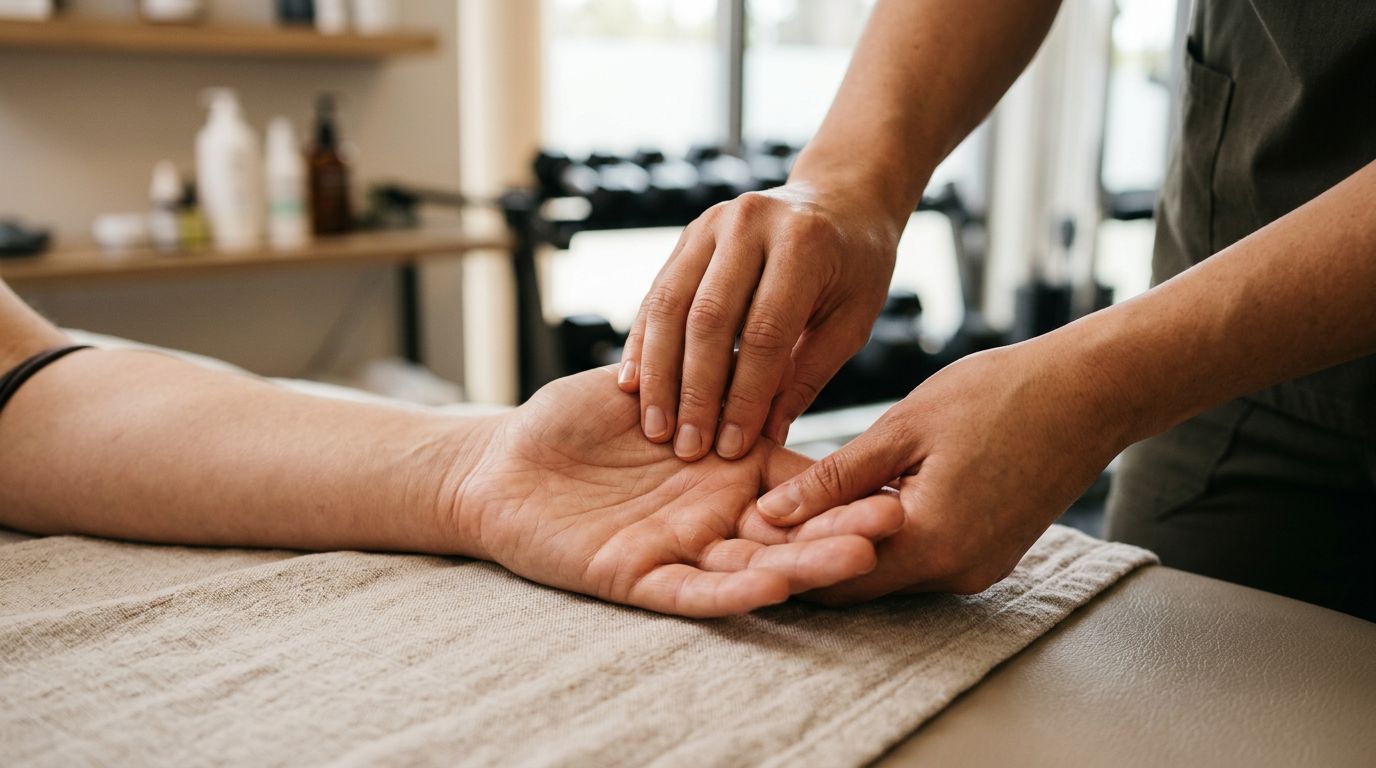
The therapist often works along the top of the forearm (the wrist extensor area). It can feel sore, dense, or tight, like pressing into a knotty rubber band.
2) A "good hurt" that spreads
You might feel sensation travel toward the wrist or up toward the elbow. That referral is common because the irritated tissues share lines of pull.
3) Warmth and loosening
As the area relaxes, you may notice warmth, easier wrist movement, or a lighter feeling in the hand. That "melting" sensation is a great sign you're in the right pressure range.
4) Brief sting, then relief
Some trigger points feel zingy for a second or two, then fade. That's different from sharp, escalating pain that keeps climbing.
What it should not feel like
Massage for tennis elbow should not feel like punishment. These sensations are red flags to stop or lighten pressure:
- Sharp, electric pain that shoots into the hand
- Numbness or tingling during the work
- Pain that jumps from a 4 to an 8 and doesn't settle
- A burning feeling that lingers and ramps up after each pass
In other words, discomfort is okay, but threatening pain isn't helpful . The goal is to reduce sensitivity, not prove toughness.
After-effects: sore, better, or worse?
Right after massage, it's normal to feel one of two things:
- Looser and lighter , like your grip isn't fighting you
- Mildly sore , similar to post-workout tenderness
What you don't want is a flare that lasts into the next day and makes gripping worse. If that happens, the pressure was likely too deep, too direct on the tender attachment, or too long in one spot.
A useful rule: tennis elbow massage should leave you feeling "worked," not wrecked. Better movement within 24 hours is the target.
A simple self-massage routine for outer elbow pain (safe, not aggressive)
Self-massage can be a great bridge between appointments, especially when your forearm feels tight from daily tasks. Keep it simple, keep it short, and stay consistent.
Before you start, rate your pain on a 0 to 10 scale. During massage, aim for 3 to 5 out of 10 . You should be able to breathe normally and relax your shoulder.
Step-by-step (5 to 8 minutes total)
- Find the real hot spots (forearm first)
Rest your forearm on a table, palm down. Use your thumb to slowly press and scan the top of the forearm, a few inches below the elbow. Look for tender bands or "pebbly" spots. - Warm-up strokes toward the elbow (60 seconds)
Use lotion if you like. Glide from mid-forearm up toward the elbow with light pressure. This helps the tissue tolerate deeper work. - Slow circles on the tight areas (2 minutes)
Make small circles with your thumb or fingers. Pause on the tender spot until it softens slightly, then move on. Keep your wrist relaxed. - Cross-fiber rub near, not on, the attachment (60 seconds)
Stay just below the outside elbow crease, not directly on the bony point. Rub gently side to side across the muscle fibers. Think "polish," not "scrape." - Finish with gentle wrist motion (60 seconds)
Slowly bend and straighten your wrist a few times. Then rotate your palm up and down. This teaches the nervous system that movement is safe again.
Afterward, many people like a warm shower or a heating pad for comfort. If the area feels irritated, a cool pack can feel better. Keep the choice based on how your body responds.
When professional massage makes more sense
If you keep re-triggering pain at work, or your grip keeps failing, hands-on care can help you reset faster. A therapist can also work connected areas, like the shoulder, upper arm, and neck, since tension there often increases strain below.
If you're considering support, look for therapeutic massage targeting elbow tension that can focus on the full chain, not just the sore spot on the elbow: therapeutic massage targeting elbow tension.
When to skip massage and get checked
Massage is not the right first step if you have sudden swelling, visible deformity, fever, unexplained bruising, or pain after a fall. Also, get medical guidance if numbness, tingling, or weakness is worsening, since that can point to nerve involvement.
Conclusion
Outer elbow pain can feel confusing because the elbow hurts, but the problem often lives in the forearm. Done well, tennis elbow massage usually feels like focused tenderness, warmth, and a gradual "letting go," not sharp pain. Keep pressure moderate, avoid grinding on the bony point, and judge success by how your arm feels over the next day. If you want faster progress, pair massage with smarter loading, rest breaks, and a plan you can stick with.
Recent Posts