60 Vs 90 Minute Massage For Chronic Tension And Stress
Chronic tension can feel like carrying a backpack you never put down. Your shoulders creep up, your jaw stays tight, and even rest doesn't fully reset you. When stress stacks up week after week, a massage can help, but session length matters more than most people think.
If you're weighing a 60 vs 90 minute massage , the bottom line is simple. A 60-minute session is great for targeted work and regular maintenance. A 90-minute session gives enough space for full-body unwinding and a deeper downshift in your stress response. The "best" choice depends on how widespread your tension is, how long it's been there, and what you need to feel afterward.
What a 60-minute massage does best (and where it can feel rushed)
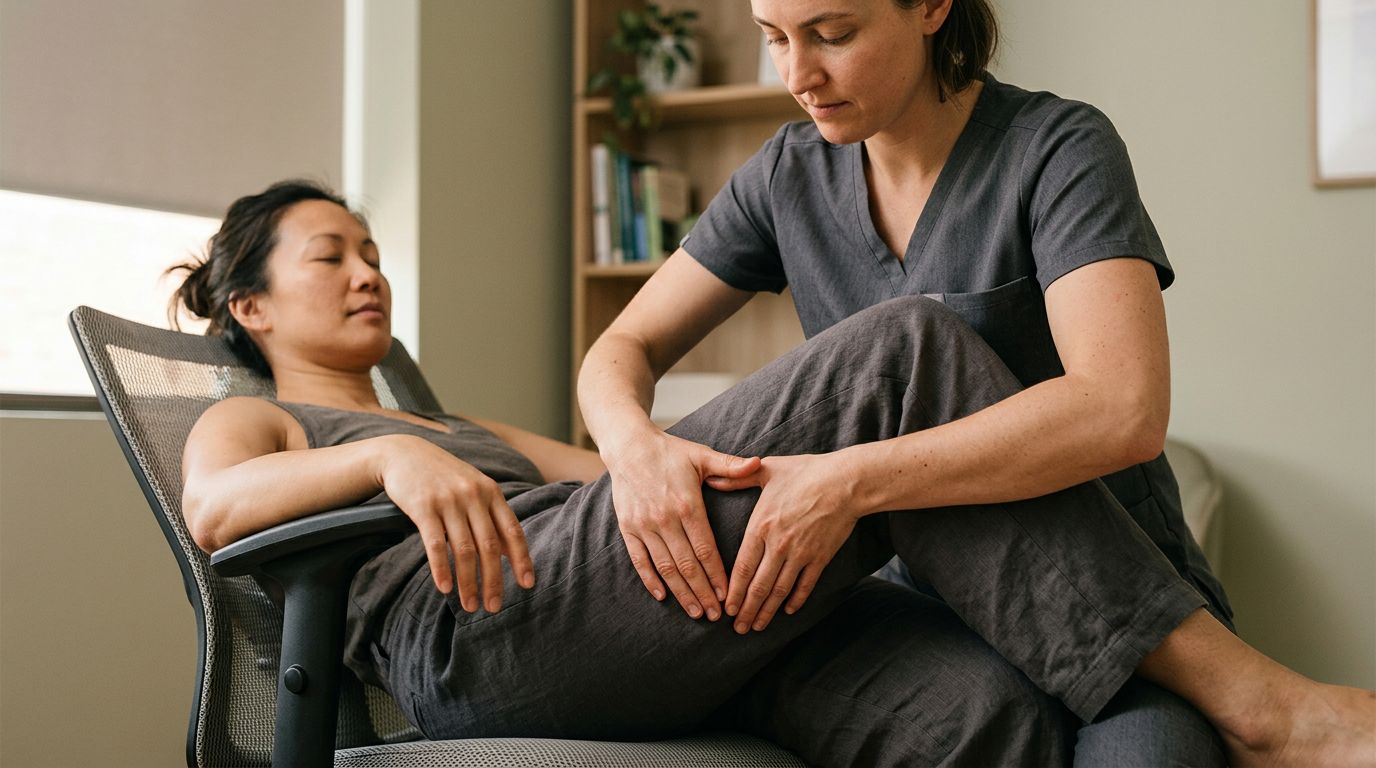
A 60-minute massage is often the sweet spot for busy schedules and consistent care. It's long enough to make real change, especially when you focus on a clear goal. Think neck and shoulders after weeks at a computer, or low back tightness from standing all day.
Still, time disappears quickly once you include the basics: a brief check-in, getting settled on the table, and transitions (like turning over). If your therapist needs to address several areas, the work can start to feel like a highlight reel. You might get relief, but it may not "hold" as long, because the body didn't have time to soften layer by layer.
A helpful way to picture it is knots in a shoelace. If you pull fast, it tightens. If you work slowly, it loosens. With 60 minutes, your therapist often has to prioritize efficiency.
A 60-minute session tends to work best when:
- Your tension is in 1 to 2 main areas , like upper back and neck.
- You want a steady routine , such as every 2 to 4 weeks.
- You need stress relief, but not a full reset , like during a demanding work stretch.
- You respond well to focused pressure , and you already know what your body likes.
If you're booking a customizable session, choosing a time length is usually the first decision. From there, the therapist can tailor pressure and techniques around your goals. For a simple view of options that match this approach, see therapeutic massage stress relief sessions.
One more thing: if chronic tension is tied to stress, 60 minutes may calm you, but you might still leave with a "busy brain." That's not failure. It's just the body doing what it's practiced doing all day.
Why 90 minutes can feel like a real nervous system reset
If 60 minutes is a strong tune-up, 90 minutes is more like letting the engine cool, then fixing what caused the overheating. The extra time changes the pace of the session. That slower pace matters for chronic tension because tight tissue often resists at first, then releases once it trusts the pressure and rhythm.
With 90 minutes, your therapist can spend more time warming up an area before doing deeper work. That can mean less bracing, fewer "ouch" moments, and better results the next day. It also leaves room to connect the dots. For example, neck tension may relate to chest tightness, shoulder blade restriction, and even how your ribs move when you breathe.
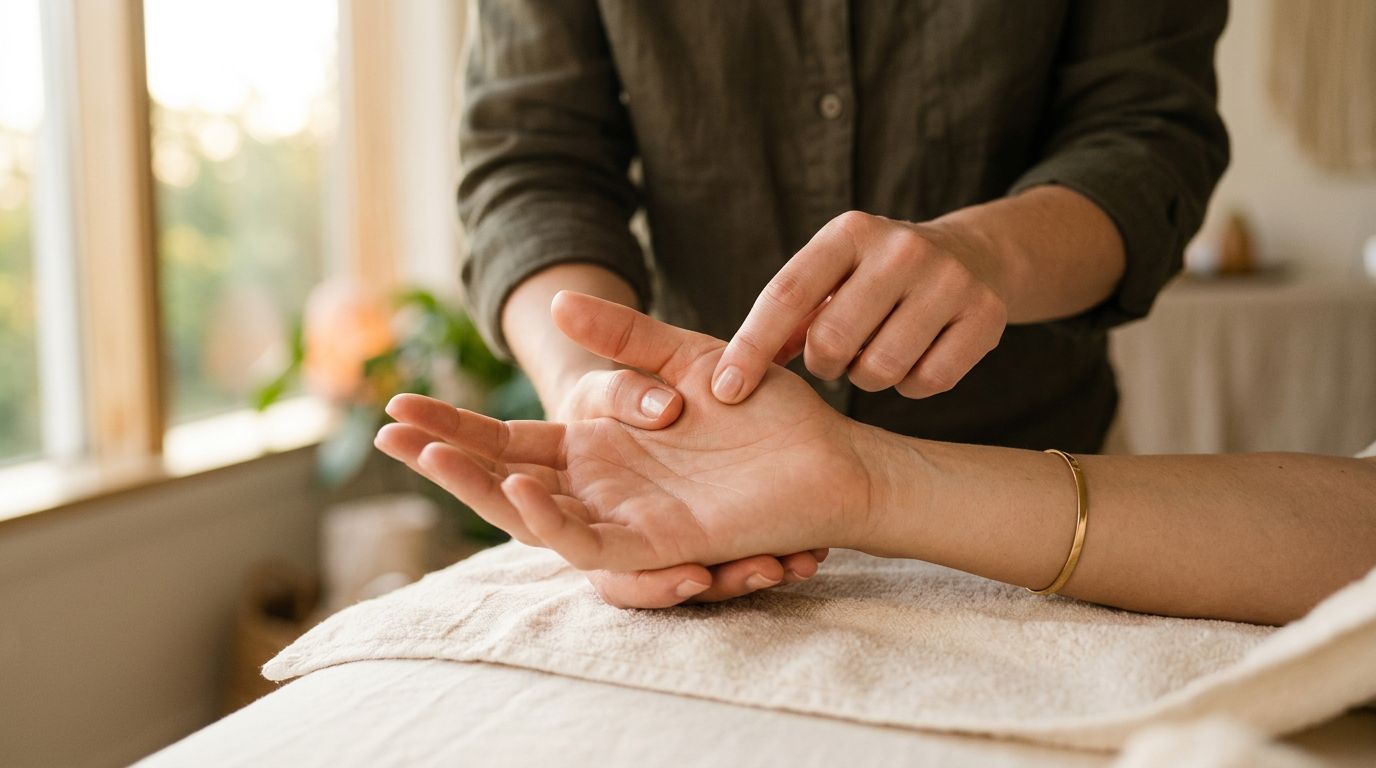
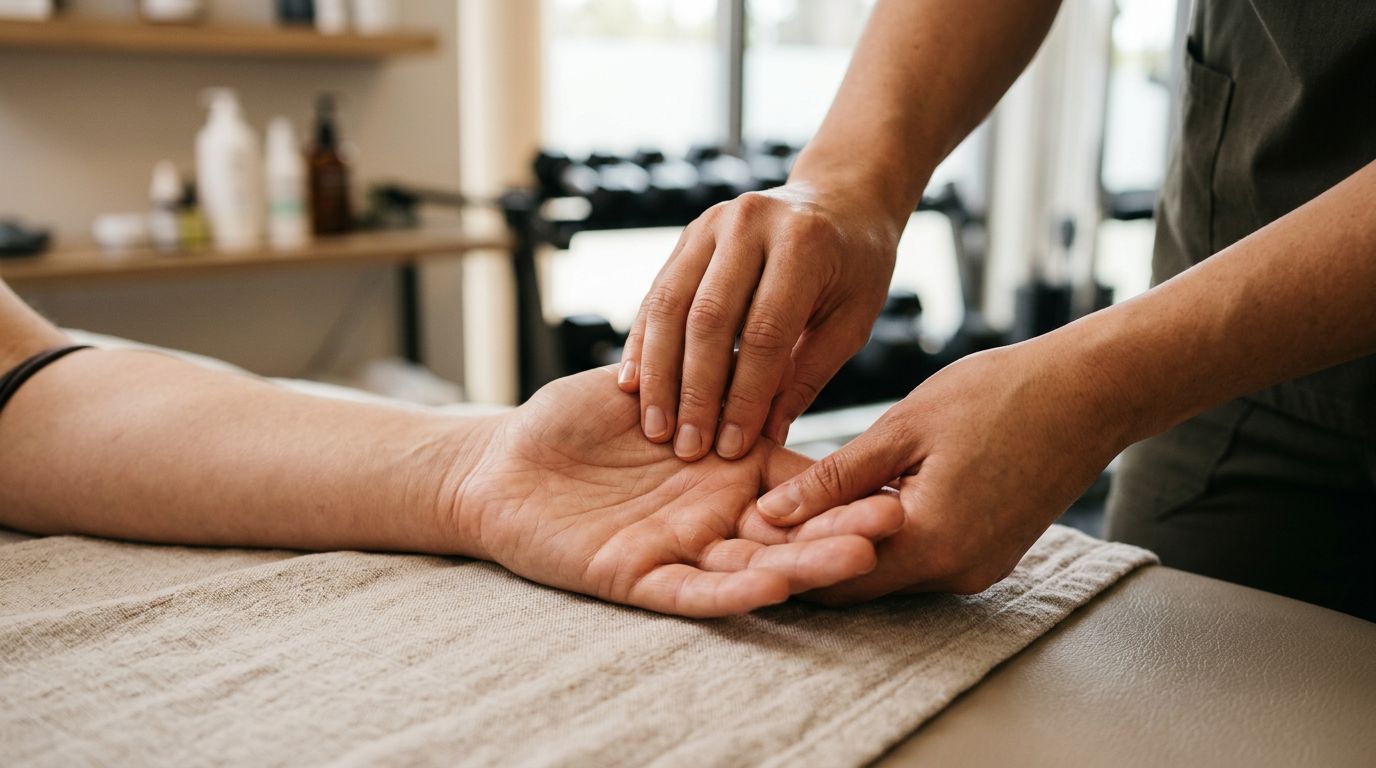
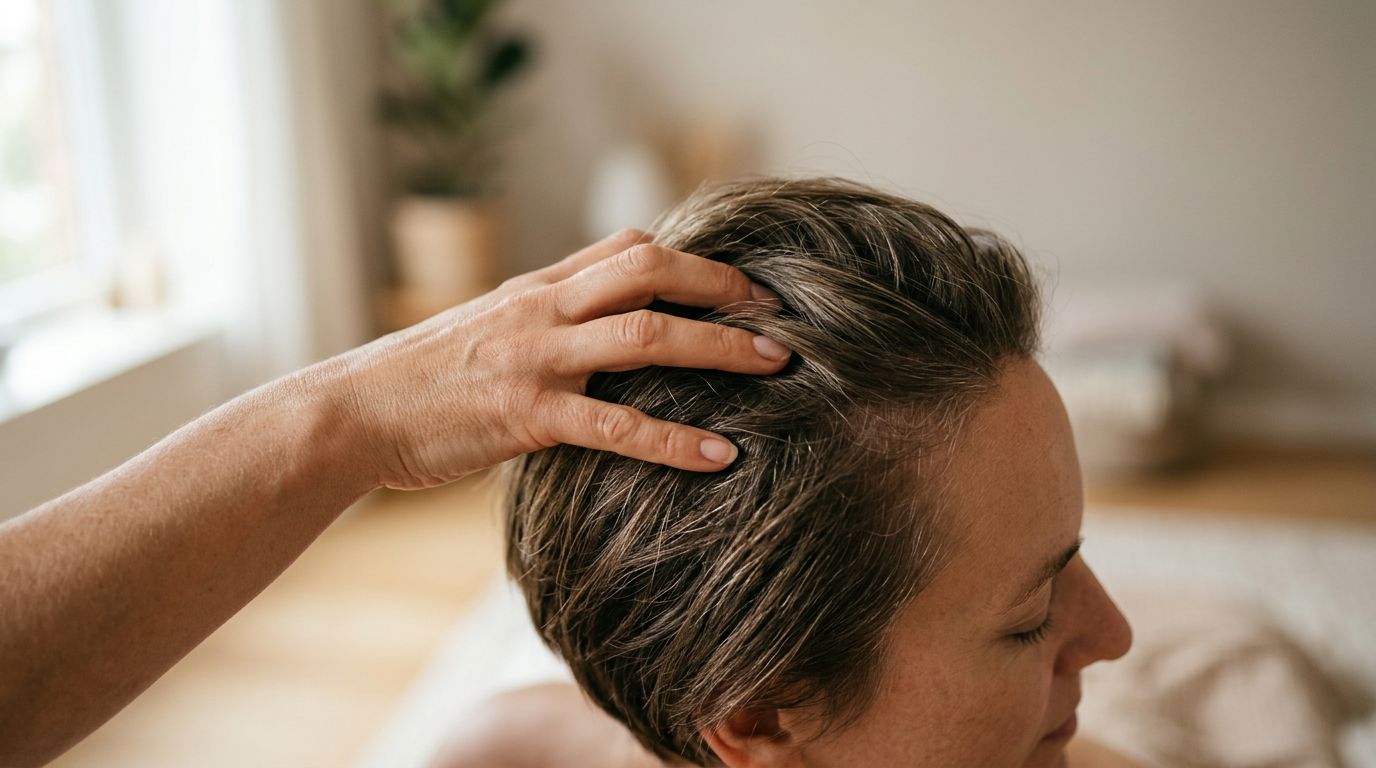
Stress also shows up in places people forget to mention. Hands clamp. Feet grip. The scalp tightens. With a longer session, those areas can finally get attention without stealing time from your main complaint.
If your goal is to reduce both pain and stress, time is part of the treatment. The body often needs longer than you think to shift out of "on" mode.
A 90-minute session is often the better pick when tension is widespread or persistent. It's also a smart choice if you've been pushing through symptoms for months, because your first goal may be to calm everything down, not just chase one knot.
Another benefit is how you feel getting off the table. Many people describe 90 minutes as leaving them more grounded, less mentally noisy, and more comfortable moving. That "whole body exhale" is harder to reach when the session ends just as you start to fully let go.
How to choose between 60 and 90 minutes for chronic tension (without overthinking it)
When you're stuck in decision mode, use a practical rule: choose based on coverage, not wishful thinking. If you want full-body work plus focused problem-solving, 60 minutes usually won't be enough.
Here's a quick side-by-side to make the choice clearer:
| Decision point | 60-minute massage | 90-minute massage |
|---|---|---|
| Tension coverage | Best for 1 to 2 areas | Better for full-body plus focus work |
| Stress level | Helpful, but may feel brief | More time to settle and unwind |
| Chronic knots | Can improve them with a plan | More room to soften and release layers |
| First session in a while | Works if your issue is simple | Often better for a full reset baseline |
| Sensitivity to pressure | Less time to ease in | Slower buildup can feel more comfortable |
| Budget and frequency | Easier to book more often | Great as a monthly anchor session |
So what should you do if you're on the fence? Many people do well with a simple rhythm: start with 90 minutes once or twice to calm the system and address patterns, then use 60 minutes for upkeep. That approach can be especially helpful for chronic shoulder and neck tension that keeps returning.
No matter which length you choose, your results improve when you communicate clearly. Before the session, share (1) your top two goals, (2) areas you don't want touched much, and (3) anything medical that affects pressure or positioning. During the massage, speak up if you notice yourself holding your breath. That's often a sign the pressure is too much for your nervous system in that moment.
Afterward, keep your next few hours simple when you can. Drink some water, eat something with protein, and skip intense workouts if you feel tender. If you want longer-lasting change, pair massage with small daily habits like gentle stretching, short walks, and unclenching your jaw when you notice it.
Conclusion
Choosing between 60 and 90 minutes isn't about willpower, it's about time and tissue. A 60-minute session shines for focused relief and consistency. A 90-minute session gives your body the space to unwind, then truly shift out of stress. If chronic tension keeps coming back, your best move is to pick the length that matches your real needs, then make it a routine instead of a rare rescue.
Recent Posts